
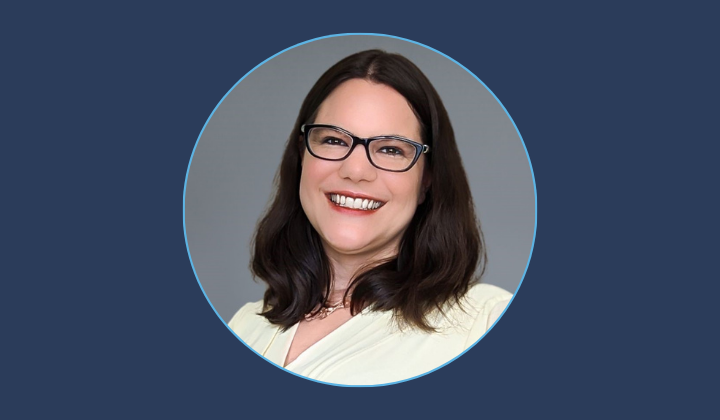
The ASA is strengthened by members who lead, mentor, and advance the field. This month, Martha McRoy reflects on her career, research, and commitment to supporting the next generation of statisticians.
What is your current role or area of expertise in statistics and/or data science?
I am a senior research methodologist for NORC at the University of Chicago, specializing in survey methodology and applied statistics. Today, I focus on designing high-quality surveys and developing methods that ensure reliable, representative data for complex research projects, including optimizing contact strategies and study designs to improve response rates.
What has been one of your biggest professional achievements?
One standout accomplishment is publishing an article on a blog that led to an interview with The Wall Street Journal. In that interview, I got to discuss the transition of opinion polls from telephone to online, which gave me the opportunity to explain to a broader audience how surveys and polling can remain representative and reliable.
This experience was especially meaningful because my grandparents were longtime subscribers to The Wall Street Journal, and it gave me a chance to share with them the kind of work and research I do. It connected my professional achievements to something personally significant.
What career advice do you live by, and who gave it to you?
“Figure out who you admire in your career, identify what impresses you about them, and adopt those traits.” I can’t recall who first gave me this advice, but it has shaped my professional and personal growth. I’ve learned diplomacy from one person, versatility from another, and determination from a third. These lessons have guided me in becoming a well-rounded statistician and methodologist.
What experiences and past roles have led you to where you are today?
My passion for mathematics and interest in understanding societies and social behaviors led me to my current career. I began studying anthropology and mathematics but transitioned to survey statistics because I wanted to apply quantitative methods to real-world challenges. I’ve always been motivated by the desire to help others and contribute to the greater good. Seeing how my work informs policy decisions and improves lives reinforces that commitment.
What is the biggest career challenge you’ve had to overcome?
One of the most significant challenges has been working in a climate where the importance of data and evidence-based decision-making is questioned. In the past year, reductions in funding and changes to data availability have created uncertainty for many in our field. It has been difficult to see talented colleagues impacted by these shifts. It’s also challenging to convey to those outside our field how the absence of rigorous data can affect decision-making and policy for years to come.
As an officer of the Survey Research Methods Section, would you recommend others get involved in an ASA section? Why? What have you learned from the experience?
Absolutely! Getting involved in an ASA section or even your local chapter is a fantastic way to build connections, share knowledge, and contribute to the field. Serving as an officer has taught me collaboration and the importance of community to exchange ideas and support each other’s growth. Through my involvement, I’ve not only expanded my professional network, but also built friendships that I know will last a lifetime. These experiences have shown me that engagement in ASA sections is as much about personal growth as it is professional development.
What is something you’d like people to know about you that we haven’t asked?
I’m passionate about mentoring early-career professionals and helping them navigate the complexities of survey research. I’ve had the privilege of serving as a mentor through programs like the Washington Statistical Society’s mentorship initiative and sharing my career journey with students at my alma maters, Grand Valley State University and the University of Michigan. These experiences are deeply rewarding because I believe investing in the next generation of statisticians and methodologists is essential to sustaining innovation and excellence in our field.
Leave a Reply