
The 2026 Joint Statistical Meetings are taking place in Boston, Massachusetts, where ideas will spark, connections will grow, and the future of statistics and data science will take shape. JSM is the largest gathering for statisticians and data scientists in North America, with attendees and presenters flying in from all parts of the globe and hailing from academia, industry, and government.
Hosted in a city where history meets innovation, JSM 2026 will offer more than a conference. Walk the Freedom Trail, explore world-renowned institutions, or catch a game at Fenway Park —home of the Boston Red Sox. With its rich academic legacy, vibrant neighborhoods, and waterfront charm, Boston provides a dynamic backdrop for connection, discovery, and conversation.
There is so much to see and do at JSM, but here is a deep dive into the roundtables with lunch and the Spotlight events in the EXPO.
Speakers with Lunch
If listening to a fascinating talk while having lunch with friends and colleagues sounds good to you, sign up for one of the speakers with lunch events. These lunches—offered Sunday through Wednesday from 12:30 p.m. – 1:50 p.m.—also offer great discussion and networking opportunities. Tickets are $50.
Sunday, August 2
SPAIG Lunchtime Speaker Session
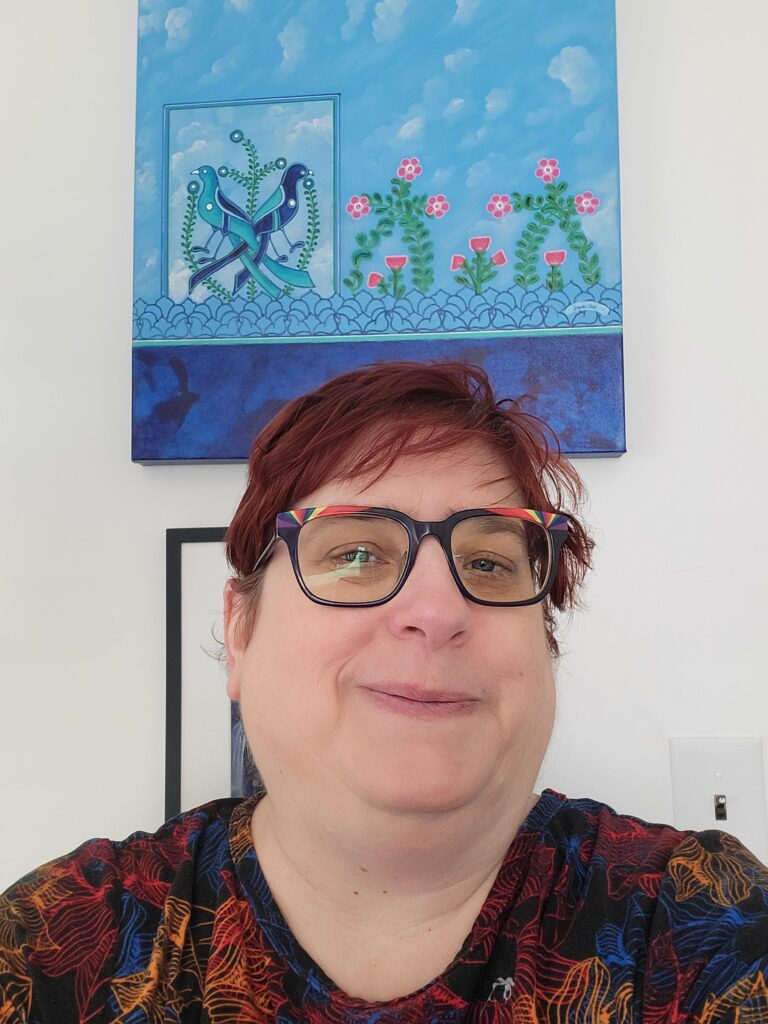
Renee Ellis, US Census Bureau
Advantages of Cooperative Educational Experiences for Developing Data Science Applications
Data science methods and applications change rapidly as technology changes, and larger federal organizations such as the US Census Bureau may struggle to stay on the cutting edge due to guidelines designed to ensure those who work there protect public data. One method of ensuring they keep pace with new developments is collaboration with entities that have training and access to emerging technologies. This allows them to develop proofs of concept and identify promising applications that can eventually be developed to integrate into their applications, systems, and processes.
The Census Bureau’s Center for Behavioral Methods has been participating in this type of collaboration for five years by acting as a sponsoring agency for the Computational Methods and Data Analytics undergraduate program at Virginia Tech. As a sponsoring agency, CBSM provides a project idea, guidance, and input, and CMDA students select projects that meet their skills and interests.
During this talk, Renee Ellis will relate examples of past projects and discuss the benefits to federal statistical agencies and students. Additionally, she will present ideas about how to develop and maintain these types of collaborative relationships.
Monday, August 3
Section on Statistics in Sports Speaker Session

Ryan Elmore, University of Denver
Statistics, Sports, and Students: More Than Alliteration
In pursuing a PhD, my goals were modest: teach at a small college; maybe inspire some students; and (perhaps) publish some papers. It took a while to get here, but I think I’ve managed those initial targets. In this talk, I will describe my non-standard path to the University of Denver—from Happy Valley to the Rockies and stops in between—and share tales from this circuitous route. I’ll discuss how each stop along the way continues to inform my life as a researcher, instructor, and mentor. Finally, I will highlight several of my favorite sports research projects and what we are doing at the University of Denver’s Sports Analytics Lab.
Tuesday, August 4
Economic Outlook Lunchtime Speaker Session

Dan Sichel, Wellesley College
The Price of Nails Since 1695: A Window into Economic Change
In some cases, we can learn about the economy by looking back in time, rather than at contemporaneous developments. Along those lines, this talk will focus on the price of nails since 1695 and the proximate source of changes in those prices. Why nails? They are a basic manufactured product whose form and quality have changed relatively little over the last three centuries, yet the process for producing them has changed dramatically. Accordingly, nails provide a useful prism through which to examine a wide range of economic and technological developments that touch on multiple areas of both micro- and macroeconomics, as well as highlighting key issues in economic measurement.
Several conclusions emerge. First, from the late 1700s to the mid-20th century real nail prices fell by a factor of about 10 relative to overall consumer prices. These declines had important effects on downstream industries, most notably construction. Second, while declining materials prices contribute to reductions in nail prices, the largest proximate source of the decline during this period was multifactor productivity growth in nail manufacturing, highlighting the role of the specialization of labor and reorganization of production processes. Third, the share of nails in GDP dropped back from 0.4% of GDP in 1810—comparable to today’s share of household purchases of personal computers—to a de minimis share more recently; accordingly, nails played a bigger role in American life in that earlier period. Finally, real nail prices have increased since the mid-20th century, reflecting in part an upturn in materials prices and a shift toward specialty nails in the wake of import competition, though the introduction of nail guns partly offset these increases for the price of installed nails.
Wednesday, August 5
Health Policy Statistics Section Speaker Session

Ruth Etzioni, Fred Hutchinson Cancer Research Center
Clinical Trials Shape Health Policies but How Can Statisticians Influence the Policies That Shape Trials? A Report from the New Era of Cancer Early Detection
As health policy statisticians, we are accustomed to evidence from clinical trials being integrated into health policies and recommendations. In the case of cancer early detection, large-scale trials have been highly influential in how we screen for the most common cancers and whether the recommended tests are covered by insurance. The methodologic policies that drive how we do these trials remained unquestioned for decades. Many new blood tests for cancer screening, including some that target multiple cancers, are now becoming available. This development is generating calls to modify the established policies that drive how we do cancer screening trials. Specifically, there is a move to use short-term, surrogate endpoints, such as the reduction in late-stage incidence, rather than the standard endpoint of mortality from the cancer targeted by the screening test. This mimics the move to use surrogate endpoints in the setting of cancer treatment trials but carries different complexities and challenges.
In this presentation, Ruth Etzioni will explore the role of statisticians not only in doing the methods work to inform the policies that drive clinical trials, but in ensuring they are translated into standards for trial design, analysis, reporting, and interpretation. She will review the rationale behind the historical standard that used cancer mortality as an endpoint in cancer screening trials. Etzioni will describe how we convened experts to develop the American Cancer Society’s Standards for the Design, Analysis, and Reporting of Multi-Cancer Early Detection Trials, which proposes policies for trials that use late-stage incidence instead.
Don’t miss the featured speakers.
Register early to secure your spot.
JSM Spotlight
Where is the best place to grab refreshments or a treat and network with other attendees? Inside the JSM EXPO! Take a break from sessions—there is something fun to try every day.
Sunday, August 2
1:00 p.m. – Spotlight Kick-Off
Sponsored by Westat
Swing by and kick off JSM with local Boston fare. Grab a tasty treat while getting the first look at the Spotlight design. What have we come up with?
3:30 p.m. – Whoopee for Whoopie Pie
Take a turn around the EXPO and stop by for a Whoopie pie or two. No sweet tooth? No worries. Fresh fruit cups will also be available.
Monday, August 3
10:00 a.m.– JSM Coffee House
Sponsored by Westat
Refresh with a cup of freshly brewed coffee or a selection of teas.
1:30 p.m. – Popcorn Break
Enjoy an afternoon pick-me-up with a tasty bag of popcorn.
3:30 p.m. – Microbrew Tasting
Sponsored by PhaseV Trials
Stop by to experience a variety of local area microbrews and cider (while supplies last).
Tuesday, August 4
10:00 a.m. – JSM Coffee House
Sponsored by Westat
Refresh with a cup of freshly brewed coffee or a selection of teas.
1:30 p.m. – Popcorn Break
Enjoy an afternoon pick-me-up with a tasty bag of popcorn.
3:30 p.m. – Sample Local Area Wines
Sponsored by MIT Sloan, Business Analytics
We might stretch the definition of “local” this year, but it wouldn’t be Spotlight without the popular wine tasting. Here is your chance to sample pours of New England red and white wines (while supplies last).
Wednesday, August 5
10:00 a.m. – JSM Coffee House
Sponsored by Westat
Refresh with a cup of freshly brewed coffee or a selection of teas.
Leave a Reply