
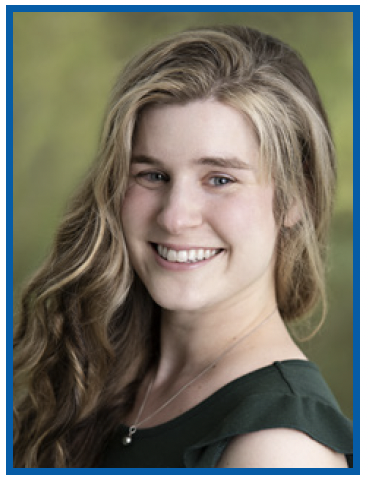
Ann Marie Weideman and Taylor Krajewski, The University of North Carolina at Chapel Hill
The University of North Carolina at Chapel Hill Biostatistics Department recently developed a template for those interested in launching a Biostatistics Undergraduate Summer Internships program.
The program was created with the goal of turning the theoretical world of statistics into hands-on, real-world experiences to bolster undergraduates’ future job prospects and graduate school applications.
The program’s infrastructure is managed by graduate students, while faculty members and alumni sponsor the opportunities. Graduate student directors manage the application process, pair applicants with appropriate opportunities, and plan several BUSI events throughout the summer.
Application Process
UNC faculty and alumni offer summer projects, ranging from the fundamentals of data management to publication-worthy analyses. Faculty members detail their needs, allowing graduate student directors to match them with undergraduate students best suited to their projects. Additionally, faculty members specify whether a graduate student mentor will be working directly with the intern(s).

Interested students within the department complete an application that details their research experience, courses completed, known programming languages and abilities, and types of opportunities that align with their interests. Graduate student directors review the applications and choose three to five candidates for each faculty member to consider. Faculty members interview and choose their intern(s) from this shortlist. Typically, each faculty member selects one to two students.
Faculty members offer opportunities that will work well for undergraduate students. Some projects are funded, while others are volunteer-based. Students can indicate whether they are only interested in funded opportunities in their application.
Summer Events
While faculty members engage with their interns, graduate student directors organize a summer kickoff event, mentor training session, presentation preparation workshops, ‘dress for success’ session, and end-of-summer research symposium.
End-of-Summer Research Symposium
Students attend a presentation preparation workshop hosted by the graduate student directors. Following the workshop, they receive poster templates to complete and return to the directors for one to two rounds of constructive feedback.

The symposium is the culmination of the summer experience, during which students showcase their posters. Seasoned volunteer graduate students, equipped with a rubric, evaluate student posters and presentations. Outstanding posters receive special recognition with a certificate and shout-out in the school news.
How BUSI Boosts Careers
A number of interns continue to work on their research as honors theses or become undergraduate research assistants. These applied opportunities help students distinguish themselves and are vital for developing essential skills and forging contacts for letters of support. Additionally, the program boosts the careers of graduate student directors by providing them with leadership experience and enhancing their professional profiles.
Student Feedback
Through a survey, interns are invited to evaluate each aspect of their research experience, outline their plans for continuing their research, and offer recommendations for improving BUSI. The feedback so far has been positive. Interns identify the mentoring relationships, poster preparation sessions, and research symposium as the most valued components of the program.
Program Logistics
Jane Monaco, the assistant dean of undergraduate degree programs at UNC, reaches out to faculty members to solicit projects.
The biostatistics department—together with a seed grant from the ASA Section on Statistics and Data Science Education—provides funding for the symposium and graduate student directors, who spend 5–10 hours per week throughout the spring and summer to ensure BUSI’s success.
The directors in training program guarantees a seamless transition from year to year. Directors train for a year, then run the program the following year while training the next set of directors. This cycle ensures each new cohort of directors is well prepared.
Materials for starting this program can be found on github. For more information, contact Taylor Krajewski or Ann Marie Weideman.
Leave a Reply