
To strengthen the connection between the statistical community and National Science Foundation, we continue the series introduced in the May 2023 issue that poses questions to NSF program officers and awardees. If you have questions or comments for the program officers, send them to ASA Director of Science Policy Steve Pierson.
This month, we focus on awardee responses from a team at North Carolina Agricultural and Technical State University led by Sayed Mostafa.
A team consisting of three statisticians and two mathematicians from North Carolina Agricultural and Technical State University, NCA&T, was awarded the National Science Foundation grant Infusing Data-Centered Pedagogy and Data-Analytical Skills into Introductory Statistics. The $400,000 grant was awarded to revolutionize the awardees’ introductory statistics course, which serves more than 600 students each year, most of whom are from groups underrepresented in statistics and data science.
Tell us about your project and what it will accomplish.
The project develops, implements, and evaluates a computationally infused introductory statistics course design that includes a virtual statistical computing lab as a major component. Students interactively learn R coding and work on authentic data analysis projects. The project’s objectives are the following:
- To help students develop the computational competencies needed for data science and STEM
- To attract introductory statistics students to our statistics and data science programs to diversify the workforce
- To help introductory statistics faculty adopt a data-centered approach and put modern data analysis and computing at the forefront of their teaching
What NSF entity funded or contributed to this project, and how will the funding be used?
This project is funded through the NSF’s Directorate for STEM Education (EDU), specifically the Historically Black Colleges and Universities-Undergraduate Program’s (HBCU-UP) Targeted Infusion Projects track, which supports projects aiming to enhance undergraduate STEM education at an HBCU. The funding supports instructors and graduate assistants at NCA&T in developing and adopting material for integrating modern data analysis and computation into the introductory statistics course. Evaluation data is continuously collected and analyzed to guide the implementation and revision of the course redesign.
Describe your approach to the Directorate for STEM Education.
Until five years ago, the introductory statistics course at NCA&T was taught using the traditional consensus course design, which was prevalent in most institutions in the United States and around the world. Noting the undesirable impacts of this consensus course design and motivated by the ASA’s Guidelines for Assessment and Instruction in Statistics Education Report on teaching introductory statistics and the discussions in the statistics community about the role of computing in the statistics and data science curriculum, we sought to redesign our introductory statistics course.
To fund this redesign, we explored various NSF funding mechanisms—including the Improving Undergraduate STEM Education initiative and HBCU-UP programs—and shared our ideas with the program officers during one of the EDU’s outreach workshops. We were encouraged to submit a proposal.
What advice do you have for others about applying for NSF funding?
- Volunteer to serve on NSF review panels. This helps with understanding the NSF merit review process and how to make your proposal competitive.
- Provide pilot data that documents the need and/or potential positive impacts for the proposed project. This pilot data is important in every proposal and necessary for training/pedagogical proposals.
- Before resubmitting a proposal idea, take time to analyze and reflect on reviewers’ feedback from prior unsuccessful submissions. It is not unusual to make multiple submissions until you get your idea funded by NSF.
- Communicate with NSF program officers about your proposal idea to find the ideal funding track. There are many ways to reach program officers, including emailing a one-page summary and attending their online webinars.
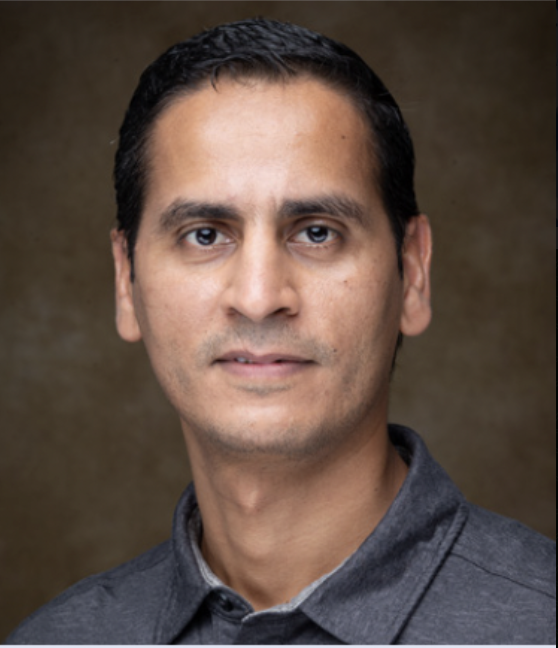
Sayed Mostafa is an assistant professor of statistics and principal investigator of the project. His research focuses on survey sampling, nonparametric statistics, and statistics and data science education. This is his first NSF award, though he has served on multiple review panels of the NSF’s Directorate for STEM Education.
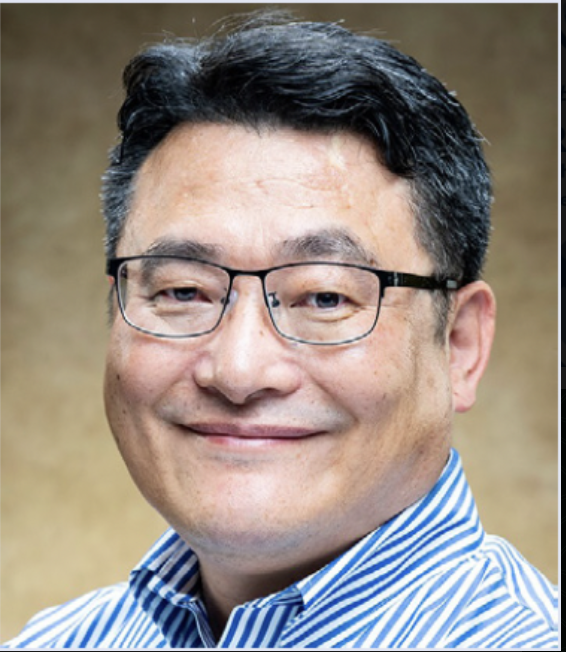
Seongtae Kim is an associate professor of statistics teaching statistics and data science. His research interests are in high-dimensional data analysis and time series forecasting. Prior to this award, he received funding from the NSF Research Traineeship and HBCU-UP programs.
Guoqing Tang is a professor of mathematics and chair of the mathematics and statistics department. His STEM education research has been funded by several NSF Directorate for STEM Education grants.
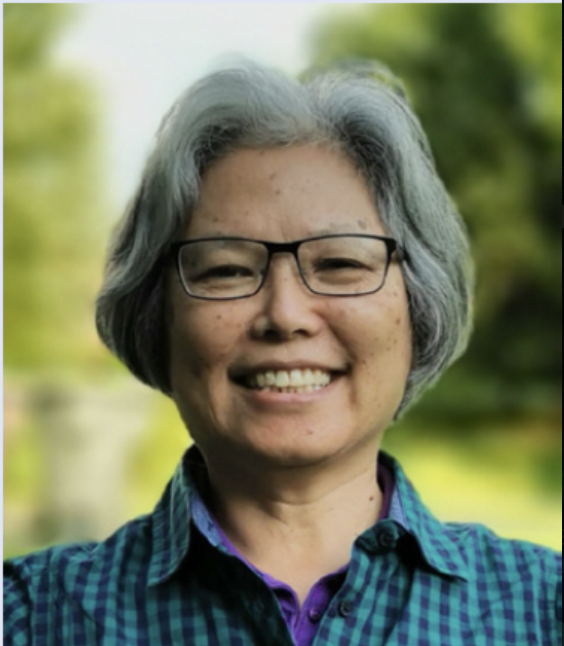
Mingxiang Chen is a mathematics professor who has taught introductory statistics for more than 10 years.
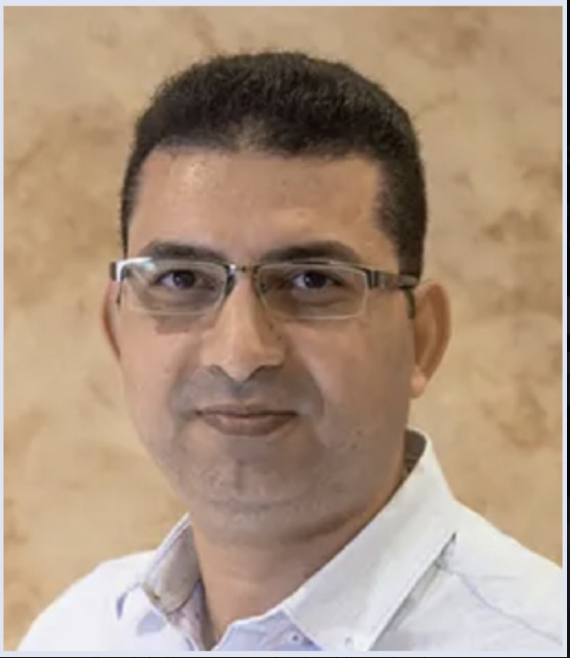
Tamer Elbayoumi is an assistant professor of statistics with research interests in time series analysis and statistical methods for geosciences. He has taught a wide range of statistics courses, including introductory statistics.
Leave a Reply