
Niamh Ordner
This past summer was truly a dream come true, and to call my experience with the AAAS Mass Media Fellowship anything less than transformative would be a vast understatement. As a fellow at the Los Angeles Times, I spent 10 weeks covering stories ranging from climate and health policy to cutting-edge research at California universities. Each article I wrote provided a unique opportunity to instill wonder among the public, showing readers how science connects to everyday life and bringing them closer to discovery—something I think is essential to fostering support for research.
I remember feeling a jolt of both excitement and uncertainty when walking into the Los Angeles Times newsroom for the first time. Coming from a research background, I knew the learning curve would be steep. The days were fast-paced and unpredictable, often spent navigating city traffic, chasing down reluctant sources, and writing on deadline, but I quickly learned the newsroom thrives on exactly that kind of energy. The support and mentorship I received from experienced writers and editors helped me rise to those challenges, and the lessons I learned about clarity, precision, and storytelling will stay with me far into the future.
This fellowship offered so many opportunities I never could have imagined, and some moments still feel surreal. I’ll never forget the thrill of seeing one of my stories run on the front page for the first time or the otherworldly experience of being interviewed on television. By the end of the summer, I had published 13 articles—including four front-page stories—that brought in more than 380,000 page views.
Perhaps the most memorable part of the experience was connecting with faculty at the University of Southern California and Caltech. Their genuine enthusiasm for their research and excitement for the future reminded me of why I love academia and why science communication matters so deeply. Those encounters made the fellowship not just an exercise in reporting but a lesson in how curiosity, when shared widely, is infectious and can inspire collective wonder.
Beyond professional skills, this fellowship helped me uncover a new sense of self. I came into the summer as someone who had long struggled with shyness. Yet, I left feeling comfortable initiating conversations with strangers, whether they were scientists, policymakers, or members of the public. I discovered how much joy I find in asking questions, following my curiosity, and sharing stories that make the public excited about the future.
That difference is even more apparent now that I’m back on campus. I approach classes with more confidence, asking countless questions during lectures and excitedly diving into conversations with professors about everything from “AI scientists” to the possibility of extraterrestrial life. While I am still deciding on my path—whether research, communication, or policy—this summer helped narrow my focus and gave me a renewed sense of direction.
More than anything, the fellowship confirmed what I already suspected: I love science journalism. It is a career that allows me to explore a wide breadth of topics; talk to fascinating people; and share knowledge in ways that can inspire, inform, and connect. There’s really nothing else quite like it. I know this will be the experience I hold onto most fondly after graduation—and the one I’ll be proudest to share and most grateful to have had.
Take a Look at Niamh Ordner’s Work
Plastic Bag Bans Seem to Work, at Least When It Comes to Shoreline Pollution
One in Five US Food and Beverage Products Is Made with Synthetic Dyes
NIH Budget Cuts Threaten the Future of Biomedical Research—and the Young Scientists Behind It
Foreign, Feral Honeybees Are Crowding Out Native Bee Species in Southern California
Cyborg Jellyfish Could Help Uncover the Depths and Mysteries of the Pacific Ocean
Researchers Find a Link Between Gut Bacteria and Genes in Colitis Flare-Ups
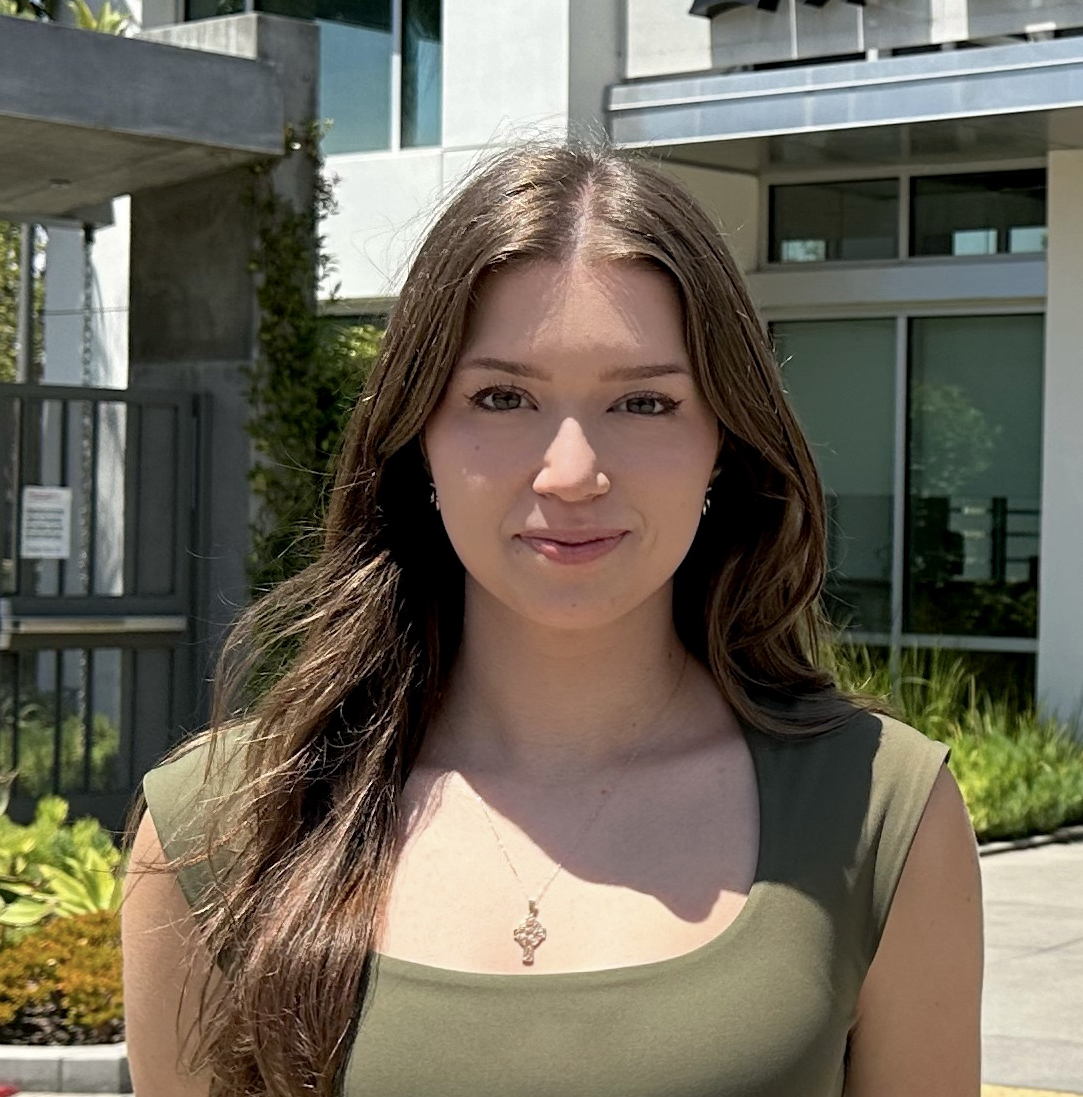
Niamh Ordner
AAAS Mass Media Fellow
Leave a Reply