
Kim Love, Owner and Lead Collaborator of K. R. Love QCC and Chair of the 2020 CSP Steering Committee
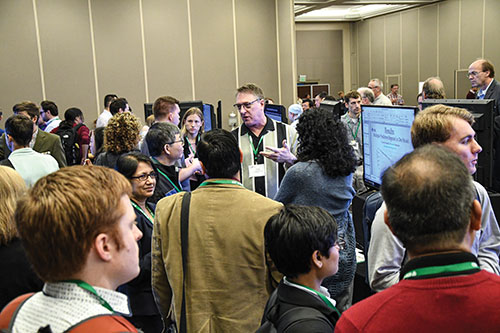
The 9th annual Conference on Statistical Practice (CSP) took place February 20–22 in Sacramento, California. The size of CSP is consistently small when compared to conferences like JSM (approximately 350 attended this year), but the heart of this conference is large enough to rival any ASA event.
Attendees come to this conference each year for multiple reasons. An obvious draw, given the title of the conference, is adding to their knowledge of statistics and data science in ways that move them forward in their careers. The conference features 24 concurrent sessions, three poster sessions, and short courses and tutorials drawn from four major themes. This year, those were the following:
- Communication, Collaboration, and Career Development
- Data Modeling and Analysis
- Data Science and Big Data
- Software, Programming, and Data Visualization
Topics covered included everything from statistical image processing to mediation analysis, from project management to R packages—topics relevant to many areas of application, appropriate for varying levels of pre-existing expertise.
Another reason this conference holds continuing appeal for attendees is the prospect of networking. The smaller size means attendees have opportunities to come together, converse with each other, and truly digest what they are taking in at the conference. For several years, we have facilitated group gatherings, and this year’s gatherings included meals organized for isolated statisticians and those practicing in health care, among others. Although only one poster session was an official “mixer,” all three of these sessions served double duty: small crowds gathered around poster presentations, leading to in-depth conversations and forging further connections between the attendees.
A final layer to the conference, though, is the opportunity to learn about and discuss major current issues that affect everyone in our data-oriented communities. Wendy Martinez, president of the ASA, gave a keynote titled “The Ethical Statistician and Data Scientist,” raising many important issues that will drive changes in data practices in the near (and potentially far) future. Attendees had a chance to join in on the discussion of ethics with a panel during a later session.
Another panel, “Adventuring Beyond P < 0.05,” picked up on the recent ASA focus on p-values and provided perspectives from different parts of industry, government, academia, and private practice for audience discussion.
Next year, CSP will take place in Nashville, Tennessee, February 18–20. Although I will no longer be heading up the dedicated committee’s effort to make this conference a reality, I am already looking forward to my next CSP experience with my colleagues in the data community. Look for changes to the theme descriptions and objectives in 2021 as the conference continues to flow into the future of statistical practice. I especially encourage you to consider submitting your own proposal for a presentation—what knowledge can you share with this community, and what can you bring to the discussion? See you there!
Click on the photos below to see Flickr galleries from CSP.
THURSDAY

FRIDAY

SATURDAY

Nashville, TN is not the east coast!