
Megan Murphy, ASA Communications Manager
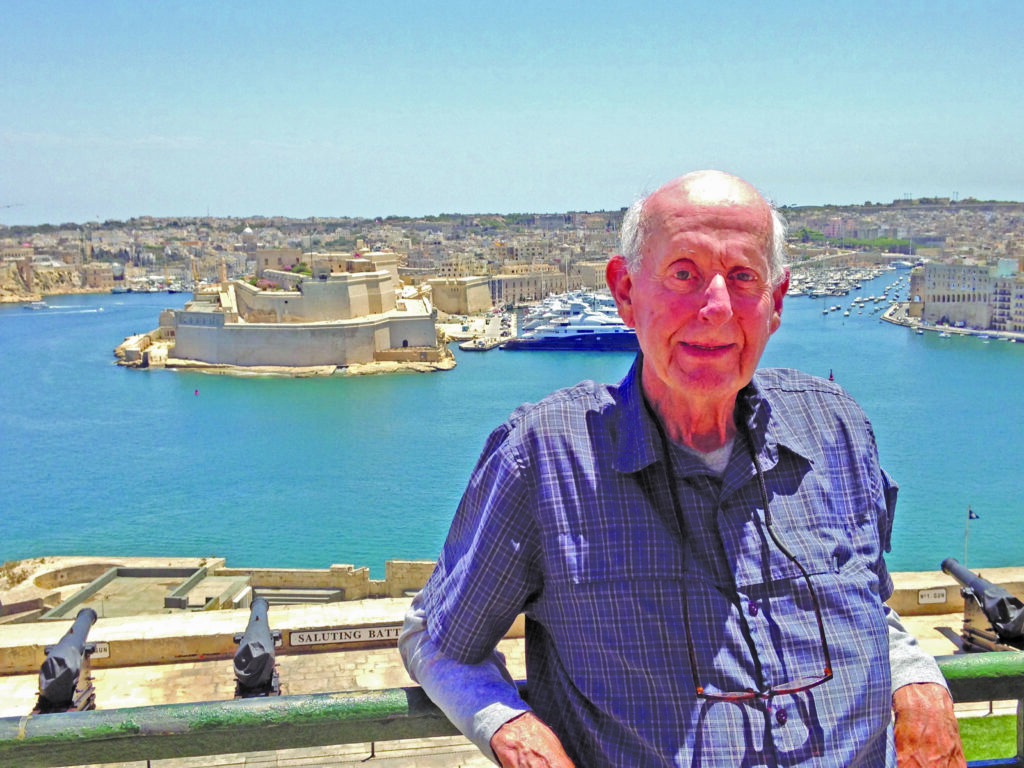
In 1947, when Harry S. Truman was president of the United States, Calvin Zippin joined the American Statistical Association at the age of 21, beginning what would become the longest continuous membership in the organization. At the time, he was working at Sterling Winthrop Research Institute under the mentorship of Lloyd Miller, who encouraged Zippin to pursue a career in statistics. This marked the beginning of a distinguished career that included statistics, epidemiology, and cancer research.
Zippin was mentored by renowned statistician William Cochran while pursuing his graduate degree at Johns Hopkins University. His doctoral thesis would eventually lead to the development of the Zippin Estimator, which estimates animal populations by using a method called “removal sampling.”
Following his graduate studies, Zippin embarked on an academic career, initially joining the faculty of the University of California, Berkeley, as a biostatistics instructor. He left in 1967 and became a professor of epidemiology (biostatistics) at the University of California, San Francisco School of Medicine, where he worked until he retired in 1991.
Zippin met and spoke with numerous statisticians throughout his professional life, including the legendary Sir R.A. Fisher, whom he encountered in 1952 while at a conference in North Carolina. Fisher’s influence, along with that of Cochran, helped shape Zippin’s approach to applied statistics.
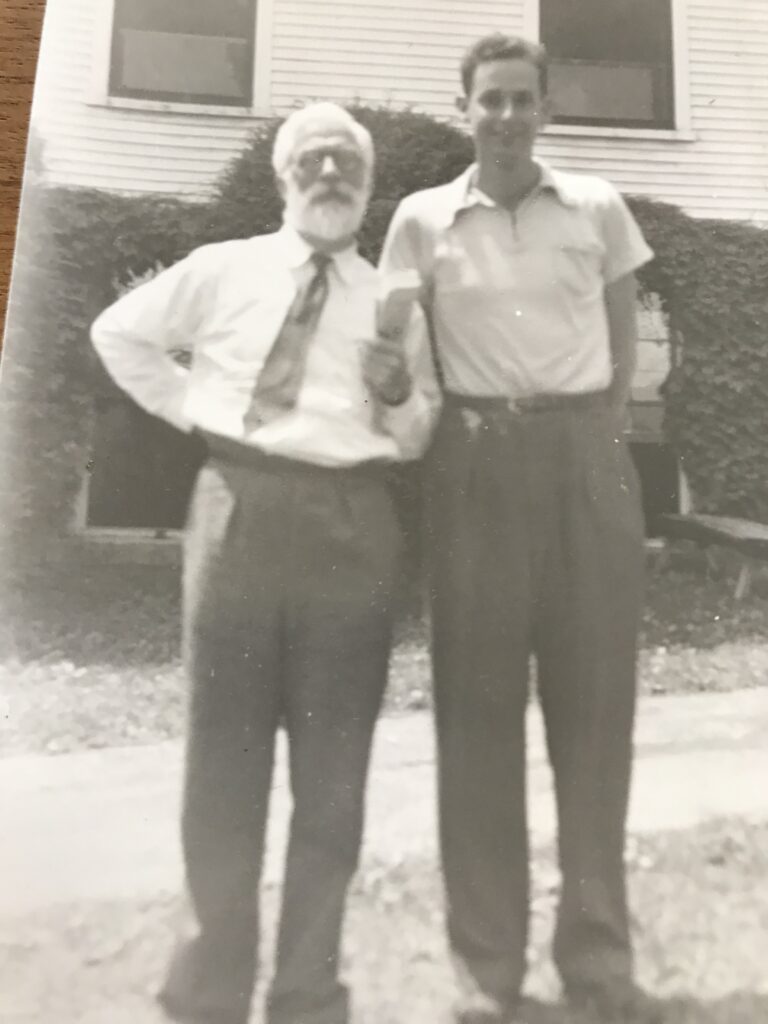
An influential figure in cancer research, Zippin led the cancer registry program at the University of California, San Francisco for 33 years, working closely with the National Cancer Institute on various projects, including the Third National Cancer Survey (1969–1971). His staff also played a key role in training personnel for cancer data collection activities. His work contributed to the National Cancer Institute’s SEER (Surveillance, Epidemiology, and End Results) Program, focusing on quality control and pilot studies. “I am proud of having been involved in clinical trials early and the success that was achieved in the reduction of cancer mortality among children,” Zippin wrote.
Zippin’s work with cancer staging led to two of his publications being included in the Yearbook of Cancer—which highlights the most significant cancer research of the year—in 1961 and 1967. His work also involved international collaborations. In the 1970s, Zippin participated in a joint US-Soviet study of breast cancer, although the project was cut short following the Soviet invasion of Afghanistan in 1979. Additionally, his work took him to Hiroshima to study the late effects of radiation at the Atom Bomb Casualty Commission in 1966, and he conducted cancer registry training workshops in India from 1984 to 1991.
In recognition of his lifelong contributions, Zippin received the Lifetime Achievement and Leadership Award from the National Cancer Institute in 2003.
Zippin’s career was not without challenges. One of his most difficult experiences occurred in 1978, during Argentina’s ‘dirty war.’ While attending an International Cancer Congress in Buenos Aires, he was asked by the American Association for the Advancement of Science to interview the mothers of victims who had been kidnapped by the regime. He later joined these mothers in their weekly protest march around the Plaza de Mayo, an act of solidarity that remains deeply significant to him.

Zippin has remained engaged in the professional community. He is a fellow of the ASA, the American College of Epidemiology, and the Royal Statistical Society, as well as past president of the Western North American Region of the International Biometric Society. His legacy in cancer research is a testament to his dedication to and passion for the statistics profession. “There is nothing I would choose to do differently,” Zippin said. “I have drawn inspiration from the wondrous people I have met along the way on this long journey.”
Dear Cal,
Great to read about all your activities and contributions to medical statistics.
It’s wonderful to know you as a member of our men’s group.
Newt Harband,M.D;