

Scarlett L. Bellamy
The Fostering Diversity in Biostatistics Workshop introduces historically under-represented undergraduate students to biostatistics and offers networking opportunities, mentoring (peer and near-peer), and professional development opportunities to graduate students.
Quantitatively inclined undergraduates are recruited from historically Black colleges and universities, high-Hispanic-enrollment institutions, and Native American tribal colleges. Historically underrepresented minorities are also recruited from predominantly white institutions. In addition, workshop participants include the following:
- Graduate students and postdocs from (bio)statistics programs
- Undergraduate faculty members from historically Black colleges and universities, high-Hispanic-enrollment institutions, and Native American tribal colleges to serve as advisers
- Faculty from graduate (bio)statistics or related programs
- Professional biostatisticians (MS and PhD) from industry and government agencies
- High school students and faculty
Through a series of interactive sessions—including roundtable discussions and presentations—the workshop promotes discussions about the experiences and expectations of graduate students through the lens of being underrepresented minorities enrolled in advanced biostatistics degree programs; explores opportunities for longer-term, in-depth exposure to biostatistics (e.g., undergraduate summer programs); encourages discussion of career opportunities for MS and PhD biostatisticians; and encourages and facilitates networking among all participants, regardless of their professional status.
Common Ground and Shared Interests
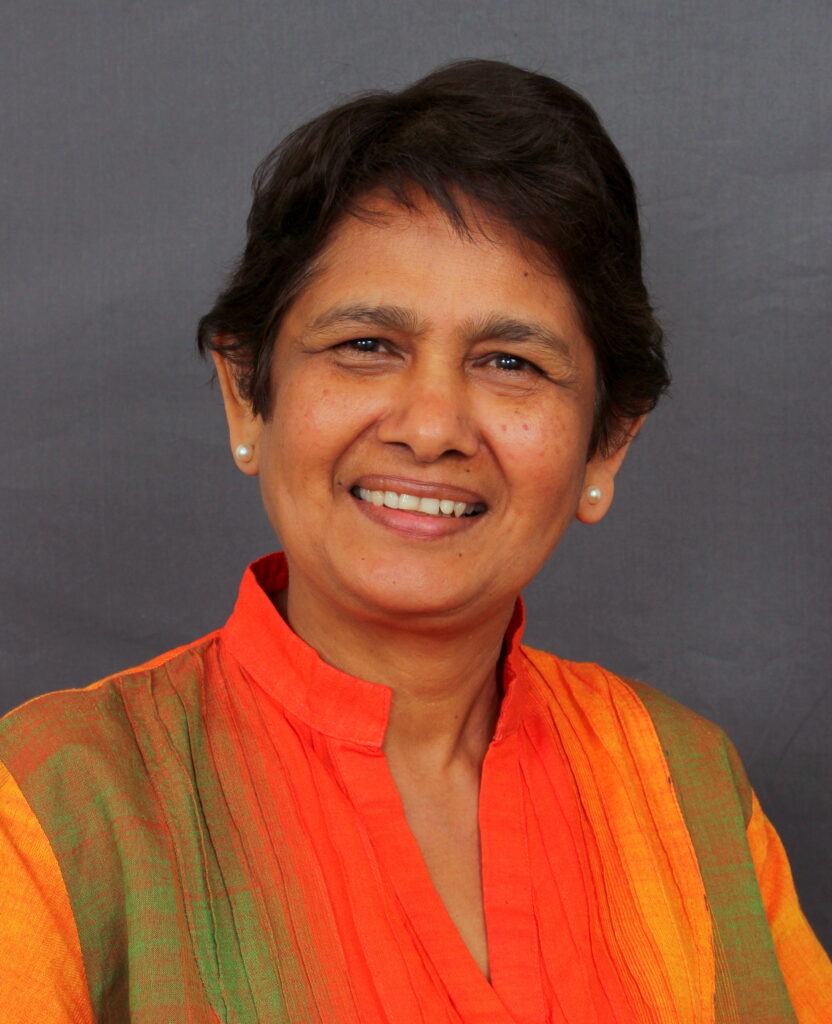
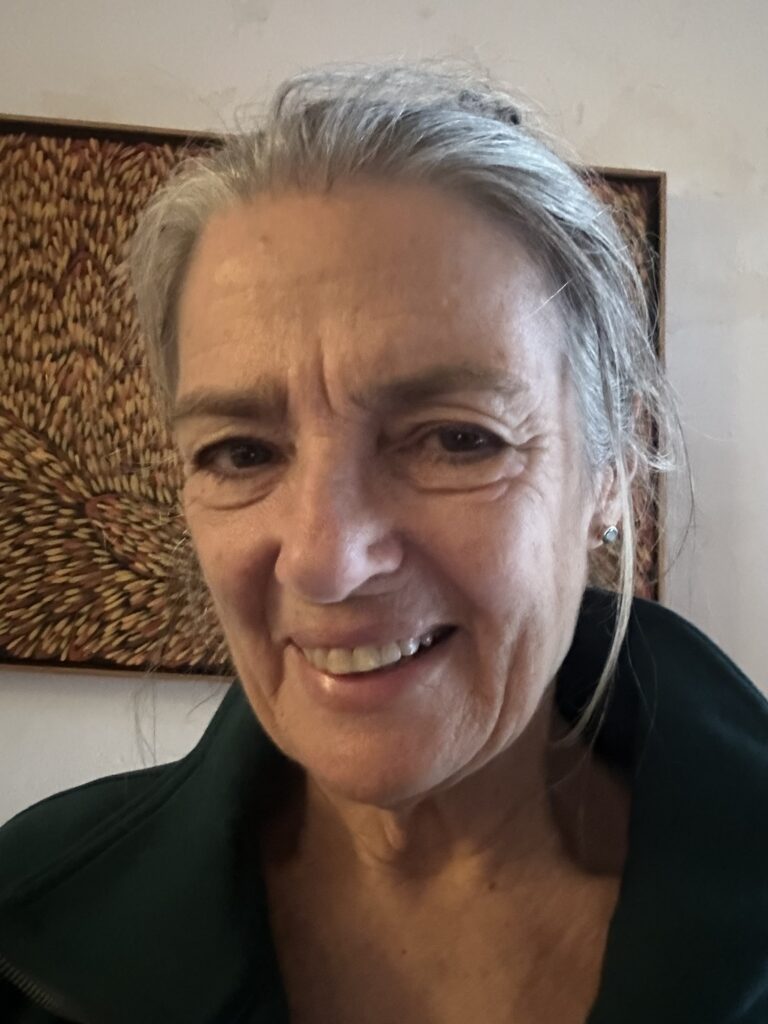
Louise Ryan and Amita Manatunga collaborated more than 25 years ago to found the Fostering Diversity in Biostatistics Workshop. According to Ryan, she found herself looking for opportunities to connect with others interested in addressing diversity in the biostatistics field after initiating an undergraduate summer program in biostatistics with the goal of addressing diversity at the Harvard School of Public Health in the mid-1990s.
Ryan discovered Manatunga at Emory University had similar aspirations. According to Manatunga, Ryan was invited to Emory as a seminar speaker in 1988. During her visit, she expressed interest in meeting with Nagambal Shah, a faculty member in the mathematics department at nearby Spelman College who had a shared interest in presenting viable graduate training opportunities to math majors at Spelman, Morehouse College, and Clark Atlanta University. At the same time, Manatunga recognized the lack of adequate representation of minority students in National Institutes of Health training grants and became interested in actively recruiting them to the graduate program at Emory. Given their shared interests, Ryan invited Manatunga to go to Spelman with her to meet Shah and some of her students.
Baby Steps and Testing the Waters
The Eastern North American Region (ENAR) of the International Biometric Society held its conference in Atlanta in 1999, when Ryan was president-elect and Manatunga was chair of the local organizing committee. It was there that a small ‘pre-workshop’ meeting was convened, primarily attended by Shah and a few of her students. They discussed shared challenges, mostly related to recruiting and retaining diverse students into biostatistics graduate programs, and the idea of the ENAR diversity workshop grew. Leveraging her upcoming ENAR presidency, Ryan suggested holding a formal diversity workshop at ENAR in 2000, and Manatunga agreed to spearhead the program.
Similarly, the summer program at Harvard started to gain momentum by the late 1990s and the biostatistics department began recruiting more underrepresented minority graduate students. Individually, Ryan and Manatunga were encouraging students from underrepresented backgrounds to be active in ENAR by presenting their work, networking, and taking short courses, but they recognized it was important to expand how they supported these students by providing an environment in which ideas and experiences could be discussed safely. This was the context in which the Fostering Diversity in Biostatistics Workshop was created. The foundational goals of the workshop were the following:
- Support minority students starting to attend ENAR
- Raise awareness of diversity issues in general
- Create and foster a community of like-minded people committed to increasing diversity in biostatistics
- Generate new ideas related to how to foster diversity in ENAR and the field more generally
The first Fostering Diversity in Biostatistics Workshop was held in 2000 in Chicago with fewer than 20 participants. Ryan delivered the introductory address and William Jenkins—known for his public health advocacy and for speaking out against the now infamous Tuskegee syphilis experiment—was the keynote speaker. His remarks highlighted the disparities in life expectancy for Black and white men and women. Additionally, Manatunga moderated a student panel that included Cassandra Arroyo, DeMarc Hickson, Reneé Moore, Dionne Price, Kevin Roberts, and Timothy Thornton.
Workshop attendees included early-career professionals and graduate students such as DuBois Bowman, Scarlett Bellamy, Knashawn Morales, Dionne Price, DeJuran Richardson, and Stuart Lipsitz. In addition to discussing their rigorous academic programs, students shared difficult experiences we now attribute to broad themes of inclusion and belonging. Thus, the workshop became a place for students from underrepresented backgrounds to both give and receive support and navigate their own graduate experiences.
There was no workshop in 2001 however, the second—organized jointly by Ryan and Manatunga—convened with support from Keith Soper of Merck, the first pharmaceutical company to contribute to the workshop, and partial funding from both Harvard and Emory’s biostatistics departments. Price, a then-recent graduate, moderated the student panel.
In 2003, a now disbanded diversity caucus—attended by Manatunga, Ryan, Bowman, Lance Waller, Bellamy, Price, Monica Jackson, Soper, Kim Sellers, Cheryl Jones, and Tom Ten Have—was established to institutionalize ENAR’s diversity efforts and provide the primary organizational structure for the annual workshop. The stated goals of the caucus were the following:
- Increase the representation of minority groups in the biostatistics field by encouraging members of minority groups to enter it
- Increase awareness of common professional interests of minorities in the biostatistics field
- Increase awareness of common issues of concern among underrepresented minorities in biostatistics
- Promote the status of minorities already in the biostatistics profession
- Establish contact and share ideas with other professional groups having similar goals
- Promote the statistical development of diverse populations in biostatistics
While the caucus eventually dissolved, the workshop’s organizational structure evolved into a co-chair structure. The chairs are responsible for organizing a successful event, and they have continued for more than 25 years with many of the same goals.
Passing the Baton: Transitioning to the Next Generation
Having recently graduated from the doctoral program at Harvard with Ryan as her dissertation adviser, Bellamy submitted the first of two successful R13 grant proposals to the National Institute of General Medical Science to secure workshop funding. She transitioned from being a student attendee of the workshop into a leader, serving for several years as co-chair and assuming the responsibility of organizing successful workshops.
The pattern of workshop participants who transition to leaders has persisted. Manatunga noted she continues to be surprised by how workshop participants organically evolve into the next generation of workshop leaders. Over the past 25 years, this pattern has allowed the workshop to run smoothly and meet the needs of students.
Reflections and Legacy
Manatunga believes the workshop’s success stems from the original vision to organize a workshop centered on a shared goal—diversity in biostatistics.
Participants who were introduced to the workshop as students have not only graduated with advanced degrees, but they have also taken on leadership roles for professional organizations, including three ENAR presidents—Bowman, Bellamy, and Moore—and one ASA president: Price.
Manatunga noted she is incredibly proud to have co-founded this workshop with Ryan, the visionary, architect, and driving force behind it. Together with Manatunga, Ryan’s efforts have strengthened and diversified the field, creating lasting opportunities for future biostatisticians.
this is a very interesting article !i really enjoyed reading it.
thank you for sharing .