
David Corliss
This month, Amstat News is celebrating all things DataFest. This amazing event, now in its 15th year, is known for teams of students collaborating on big data challenges. Perhaps the most important parts of DataFest are what the data is about and what the students do with it. DataFest is a nationwide celebration of students learning to do more than make a grade; they make a real difference!
Since its beginning at the University of California, Los Angeles, in 2011, DataFest has trained students in essential skills needed in Data for Good. DataFest is now managed and coordinated by the American Statistical Association, with thousands of students taking part each year. Students are usually undergraduates, although some groups allow master’s degree students to take part. Each participating college hosts its own event over a weekend in the spring, during which teams of two to five students compete against one another over 48 hours to understand, visualize, and interpret a large, complex data set. Mentors are available to assist, but each student team takes the lead in designing, developing, and presenting their own project.
In recent years, solving big problems with big data has become even more of a focus. For example, DataFest 2022 used data from the Play2Prevent Lab at the Yale School of Medicine to identify and analyze patterns of risk-taking behavior in middle school students. Game logs from a gaming community in New Haven, Connecticut—Yale’s hometown—provided the unstructured big data used in the student projects.
I saw this happen firsthand at the DataFest event hosted by Purdue’s DataMine, during which I participated as an outside statistical expert from industry brought in to help judge the student projects. Participation is a wonderful way to support students and the projects while providing an example of a person in industry volunteering in Data for Good. Officially a judge, the chance to be a role model for the students was the best part!
Another example comes from the 2023 challenge. Using data from the American Bar Association, DataFest participants explored how to best provide legal experts who offer pro bono advice through the Bar Association website. This is a great example of how data experts can partner with legal professionals to make a huge impact on peoples’ lives.
While the data used in DataFest projects each year is kept secret until the event begins, the subjects often address critical questions of the day. In 2021, for example, an international survey on prescription drug use with more than 10,000 responses was used to help medical teams identify possible misuse of prescription drugs. Student participants were taught how analysis of big data can literally help save lives and that they can be part of making it happen.
DataFest is not just for students and faculty. Statistical experts from all areas are needed as project mentors and judges. I work in industry and have participated in DataFest multiple times this way. Also, faculty can be involved through other institutions if their college isn’t hosting an event that year. Schools that have not hosted a DataFest before can get started by taking part in a DataFest at another college.
Starting out as a multisite hackathon teaching big data skills, DataFest has developed into one of the most important ways students can get their first exposure to Data for Good. By teaching students to use big data to solve society’s biggest problems, this single weekend opens the door to a lifetime of high-impact projects helping thousands of people by doing what we love best. If you are part of a DataFest program, let others know the success stories from your college and the impact they are having on people’s lives every day.
Getting Involved
In opportunities this month, now is the time to start organizing for DataFest 2026. Get details about putting together an event at the DataFest hosting page. It all starts with a faculty organizer subscribing to the listserv as described there.
The US federal statistical landscape is seeing many changes that could affect the ability of many people and organizations to use federal data for the greater good. In response, we can become familiar with the work of organizations supporting federal statistical agencies, including the Council of Professional Associations on Federal Statistics and the Friends of the Bureau of Labor Statistics.
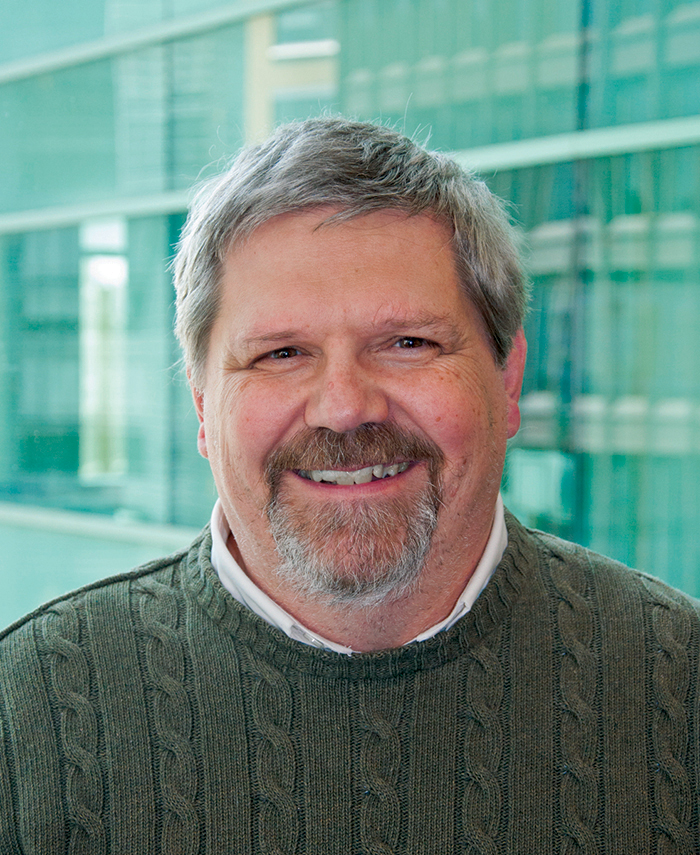
David Corliss
With a PhD in statistical astrophysics, David Corliss works as a data scientist in industry. He serves on the ASA Board as a Council of Chapters representative and is the founder of Peace-Work, a data for good nongovernmental organization.
This column is written for those interested in learning about the world of Data for Good, where statistical analysis is dedicated to good causes that benefit our lives, our communities, and our world. If you would like to know more or have ideas for articles, contact David Corliss.
Leave a Reply