
Penny S. Reynolds
In celebration of International Women’s History Month, here are the first 14 women elected ASA Fellows, between 1918–1951, presented in short biographical sketches. These women were economists, sociologists, medical statisticians, and teachers and administrators. Some influenced national and international policy. All influenced the procedures and practices of statistics we all know today.
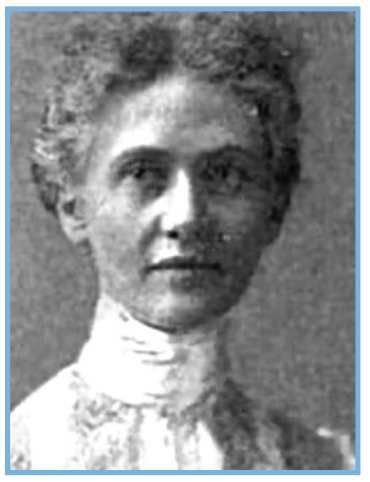
Kate Holladay Claghorn
1918
(December 12, 1863– March 22, 1938) The first woman to be elected ASA Fellow, Claghorn was a suffragist, social reformer, and civil rights activist, specializing in immigration and criminal law.
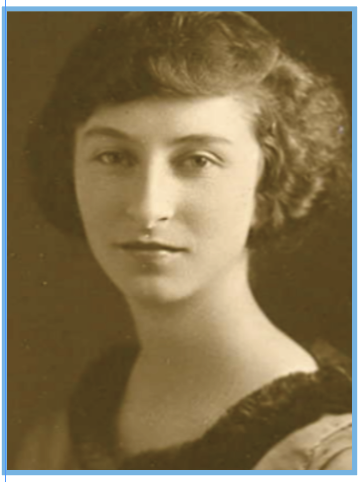
Aryness Joy Wickens
1937
(January 5, 1901 – February 2, 1991) The second woman elected ASA president. A highly influential federal economist, Wickens was acting commissioner of the Bureau of Labor Statistics and one of the architects of the BLS Cost-of-Living Index, later renamed the US Consumer Price Index.

Helen Mary Walker
1940
(December 1, 1894 – January 15, 1983) As the first woman elected ASA president in 1944, Walker is best known for her work on education research and the history of statistical methodology. She emphasized the importance of statistical education for nonstatisticians and decision-makers of all kinds.
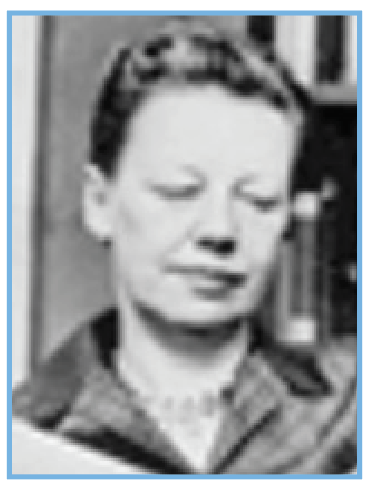
Dorothy Swaine Thomas
1942
(October 24, 1899 – May 1, 1977) Thomas pioneered statistical applications in studies of population redistribution and economy. She was the first female president of the American Sociological Association and a United Nations technical consultant.
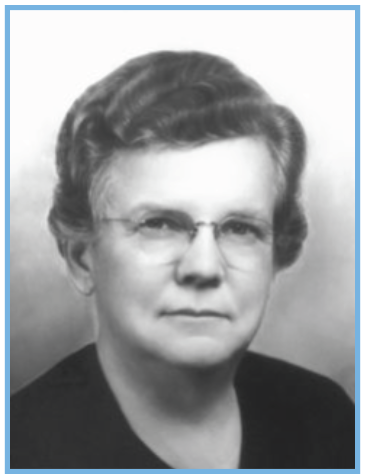
Gertrude Mary Cox
1944
(January 13, 1900 – October 17, 1978) The third woman elected ASA president, Cox was also the first woman to be elected fellow of the International Statistical Institute. Additionally, she was president of the International Biometrics Society. She was best known for her classic books on applied experimental design.
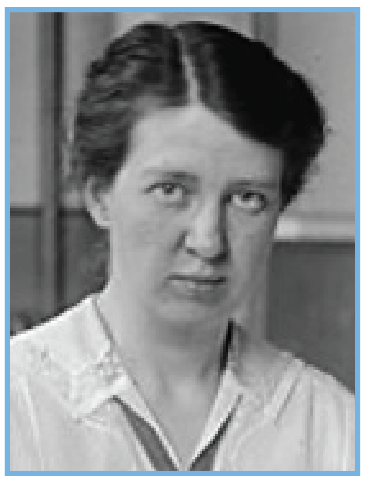
Mary van Kleeck
1945
(June 26, 1883 – June 8, 1972) A longtime member of the ASA, van Kleek was director of the Russell Sage Foundation Department of Industrial Studies and the first woman to lead a US federal agency: The Women’s Bureau.
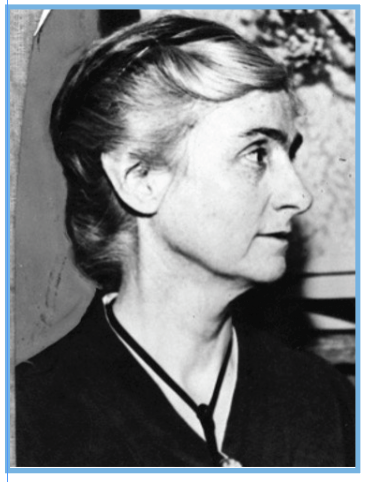
Edith Abbot
1945
(September 26, 1876 – July 28, 1957) Abbot conducted pioneering statistical investigations into major social welfare issues such as poverty, housing conditions, truancy, immigration, and crime. She was also a major influence on federal social welfare legislation and policy development. In 1924, she was the first woman appointed dean of a major US graduate school at The University of Chicago.
Gladys Louise Palmer
1946
(April 5, 1895 – June 27, 1967) Palmer was director of the Industrial Research Unit at the Wharton School and an international expert on federal policy for labor mobility and manpower issues. She was a major driver of the coordination and standardization of labor statistics and developer of a novel measure of unemployment rate.
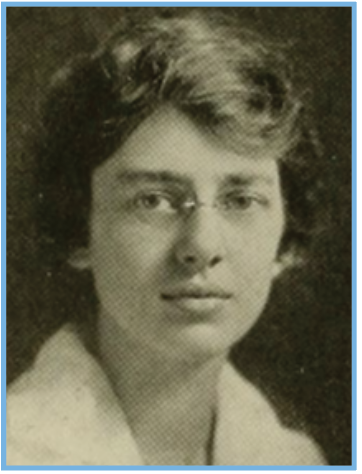
Faith Moors Williams
1946
(October 6, 1893 – September 20, 1958) A prominent government economist, Williams was director of the Office of Foreign Labor Conditions in the Bureau of Labor Statistics and one of the architects of the BLS Cost of Living Index—later the US Consumer Price Index—with codevelopers Aryness Joy Wickens and Stella Stewart.
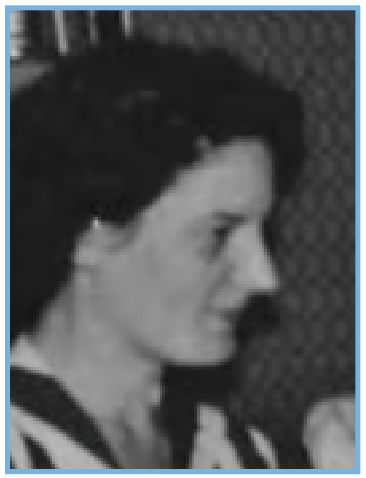
Dorothy Stahl Brady
1949
(June 14, 1903 – April 17, 1977) Brady was a pioneer in economic measurement and historical economics. Primarily a career government statistician, she was division chief in the Bureau of Labor Statistics, and later, professor of economics at the Wharton School. She received the National Women’s Press Club Award in Economics from President Harry S. Truman in 1948.

Margaret Jarman Hagood
1949
(October 26, 1907 – August 13, 1933) Hagood pioneered the application of rigorous statistical methods in the study of rural sociology. Her 1937 study of gender inequality, fertility, and contraception use among depression-era farm women was one of the earliest systematic mixed-methods research studies.
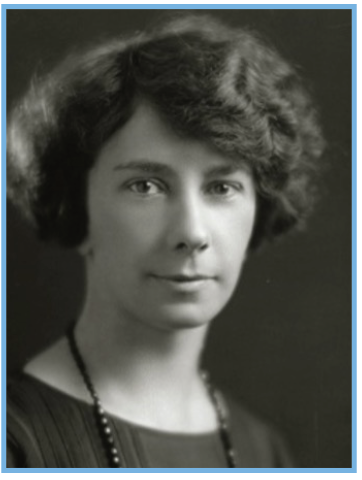
Hildegard Kneeland
1949
(July 10, 1889 – September 15, 1994) Kneeland pioneered an extensive investigation of homemakers as a labor force. Her documentation of time-use and income disparities in a nationwide survey of homemakers showed they were overworked and “labor-saving” appliances did not reduce the time spent on chores.
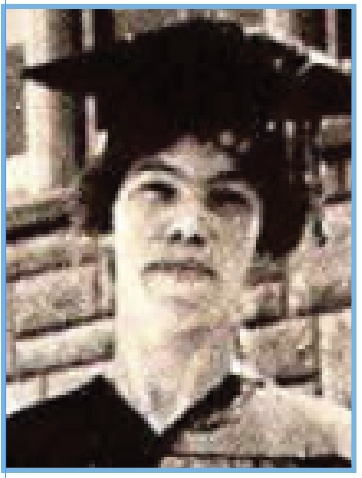
Besse Beulah Day (Mauss)
1951
(September 1, 1899 – September 14, 1986) Day pioneered statistical design of experiments in both forestry and engineering. Mentored by Ronald Fisher during her employment with the US Forest Service, she later became head statistician for the US Naval Engineering Experiment Station. She was the first woman to win the 1956 American Society for Quality Brumbaugh Award for contributions to statistical quality control.
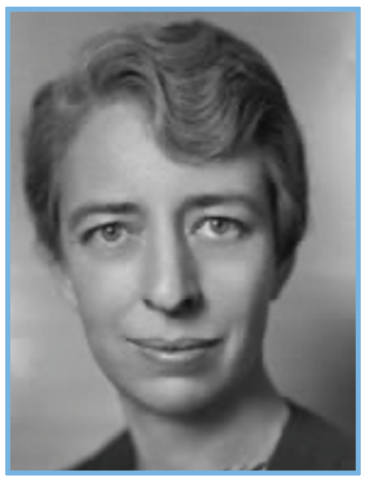
Margaret Merrell
1951
(December 3, 1900 – December 21, 1995) Merrell served as chief statistician to the surgeon general of the United States Army and designed large-scale clinical trials for testing the efficacy of penicillin for syphilis. She later became the first female full professor at Johns Hopkins.
For details, download the references.
Leave a Reply