

David Corliss
One of the most pressing issues in the world today is also one of the most familiar and persistent—people fleeing war and conflict zones. Such crises comprise some of our earliest memories as a society and some of the most important current events of today. This reality has motivated and mobilized Data for Good advocates and practitioners across backgrounds and disciplines to work together to address and prevent human suffering. Data for Good research supports people living in conflict zones and is carried out by international organizations like the United Nations, leading nongovernmental organizations, university research groups, and independent experts. This month, Stats4Good looks at data and analytics efforts that support these populations, as well as opportunities for readers to get involved.
Many organizations with humanitarian missions conduct research in conflict zones. For example, many United Nations agencies analyze multiple dimensions of global conflict, collect data, and perform research in partnership with government agencies and NGOs. Especially important among these collaborators are the UN Department of Political and Peacebuilding Affairs and the United Nations High Commissioner for Refugees.
The DPPA organizes field operations to monitor conflicts and provide guidance to countries involved in conflicts. Meanwhile, UNHCR works specifically with and for refugees. The United Nations Sustainable Development Goals also address common needs in conflict zones through Goal 1 (No Poverty), Goal 2 (Zero Hunger), Goal 3 (Good Health and Well-Being), and Goal 6 (Clean Water and Sanitation).
Other parts of the UN system generate data that help explain why and where people move and the risks they face. For example, the UN’s International Organization for Migration collects data on reasons for international migration, which has helped identify human trafficking as a weapon of war in Ukraine.
Alongside these international agencies, professional and volunteer organizations also play an important role. Statistics Without Borders is a leading Data for Good organization and an outreach group of the American Statistical Association. SWB volunteers provide pro bono services in statistics and data science in both current and recent conflict zones all over the world. Be sure to check out their projects page because SWB is one of the best places for new volunteers to connect to important projects.
Another influential conflict analytics organization is the Human Rights Data Analytics Group. Since 1991, HRDAG has done some of Data for Good’s most important research on human rights violations, but their impact extends beyond the scope of their own research. Statistical methodologies developed by HRDAG have become best practices for working with conflict-zone data and are foundational contributions to the science of conflict and human rights. If this work interests you, consider following their research and learning their methods. For example, their application of multiple-systems estimation to quantify victims of crimes hidden by regimes has been instrumental in the work of many other researchers.
The Humanitarian Data Exchange, administered by the UN Office for the Coordination of Humanitarian Affairs, is another important contributor to D4G conflict-zone research. With more than 20,000 datasets, this project provides access and publicly downloadable data compiled by UN agencies in .csv format. The project’s search engine is limited, so it may be helpful to search elsewhere for names and details of datasets, then log on to access and download them.
Many organizations working in conflict zones lead projects that rely on data and analytics. One example is the Missing Maps project, which is organized by Doctors Without Borders, the Red Cross, and others. It focuses on developing better maps of areas affected by conflict, natural disasters, and disease outbreaks. The project relies on volunteer mappers to create and annotate maps used by NGOs to respond to humanitarian needs. The project also hosts virtual mapathon events (like hackathons), where teams of volunteers work together to create and curate geospatial data needed for emergency response.
These examples show the range of ways data can support humanitarian action—from monitoring conflict and displacement to building datasets, developing methods, and mapping communities at risk. These are just a few of the ways statisticians and data scientists work through Data for Good to make a difference in communities around the world.
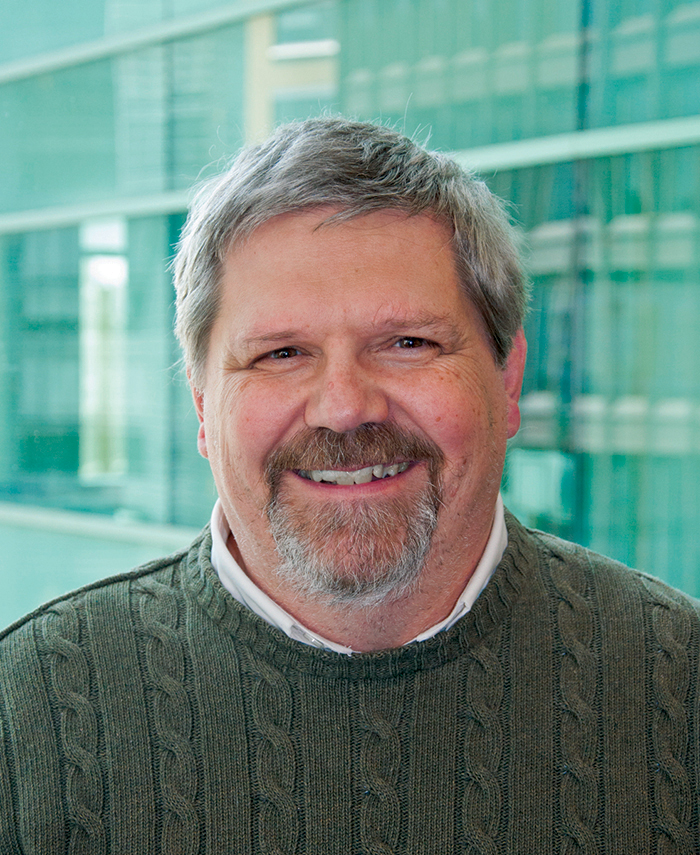
David Corliss
With a PhD in statistical astrophysics, David Corliss works as a data scientist in industry. He serves on the ASA Board as a Council of Chapters representative and is the founder of Peace-Work, a data for good nongovernmental organization.
Leave a Reply