
Happy 2026–2027 academic year! The start of a new academic year is the perfect time to explore the many ways Data for Good can connect with the classroom.
One opportunity is to incorporate Data for Good examples into classroom instruction. We can teach students about skewed distributions and outliers using data on housing prices and affordability, for example. Statistical inference can be taught using data drawn from research on the social sciences, climate change, community action, and any number of areas with a Data for Good focus. These examples can also highlight the work of leading organizations such as Statistics Without Borders and the Human Rights Data Analysis Group. By incorporating them, we can introduce beginning students to the world of data for social good, connect advanced students with leadership opportunities, and underscore the impact statistical science has on people’s lives.
Including Data for Good examples in lectures, homework problems, and test questions can also inspire research related to coursework, leading to papers, Research Experiences for Undergraduates activities, and capstone projects. A great example is DataFest, the American Statistical Association’s annual student data challenge. Colleges and universities host DataFest events in which teams of students spend a weekend exploring a dataset used at events across the country. To see what is possible when Data for Good intersects with education, consider topics from recent DataFest events: mapping patient journeys using medical data, analyzing high-risk student behaviors, and supporting legal experts providing pro bono services.
Student groups and ASA chapters can also sponsor hackathons. These can be especially effective when local groups focus on community concerns, such as housing affordability or a proposed data center. ASA chapters can support students, foster relationships between students and faculty, and feature Data for Good presentations at chapter meetings.
Bringing Data for Good into the classroom intentionally can be especially powerful when paired with an interdisciplinary approach. Researchers from different departments can collaborate, combining their expertise and strengths to produce results with the greatest potential to serve the public good. Subject matter experts familiar with a particular data source, methodology, or statistical challenge can strengthen the entire team.
Because statistics and data science are inherently interdisciplinary, the methodologies introduced by one expert can be applied to a wide variety of problems and settings. I see this every day. With a PhD in statistical astrophysics, nearly all my Data for Good work can trace its analytic DNA to solving an astrophysics problem. An interdisciplinary approach allows Data for Good projects to introduce students to a broader range of methodologies than would otherwise be possible.
One of the best ways to practice Data for Good in an educational setting is to become a tutor. I began volunteering as a math tutor for a local social service agency in high school. In my experience, it is one of the most important things I have ever done in Data for Good. Tutoring also reinforces our own understanding of statistical practice and our ability to communicate methods and results. Opportunities are available through university student service centers, departmental programs, and independent agencies.
Bringing Data for Good examples, ideas, and experiences into the classroom enriches students’ education while providing educators with new research opportunities. Participating in student groups and events such as DataFest enables students to put their education into action and produce tangible results. Connecting the classroom with Data for Good introduces students and educators alike to hands-on work that affects people’s lives every day—and opens the door to new possibilities.
Getting Involved
Don’t forget to follow up on JSM. Whether you attended or not, you can access the program online. Reach out to authors, read abstracts, watch plenary presentations, and consider how 2026 ASA President Jeri Mulrow’s Communities in Action initiative could support your Data for Good projects.
Now is also a good time to consider participating in DataFest. The deadline is still a few months away, so take some time to learn about the program and consider hosting an event.
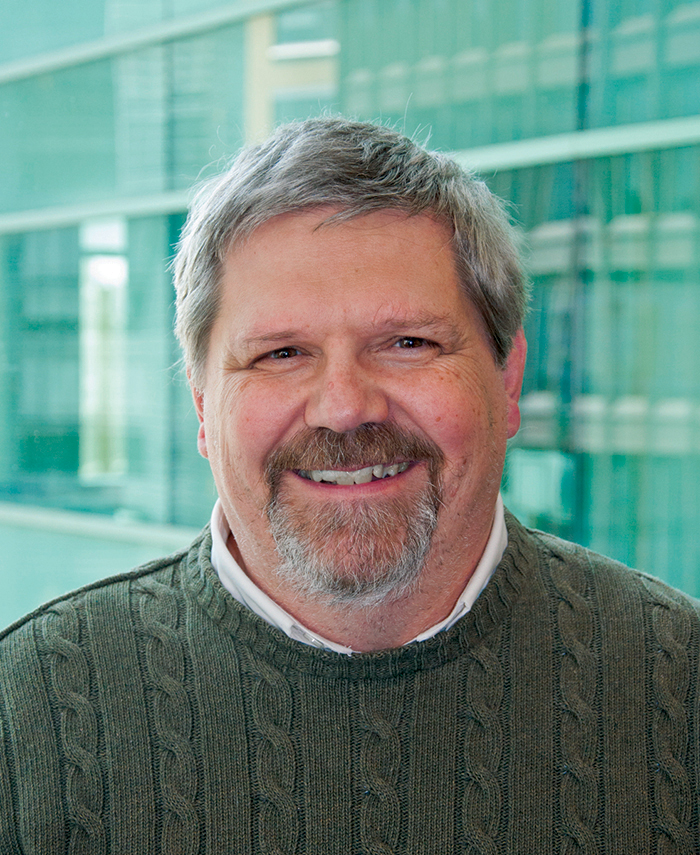
David Corliss
With a PhD in statistical astrophysics, David Corliss works as a data scientist in industry. He serves on the ASA Board as a Council of Chapters representative and is the founder of Peace-Work, a data for good nongovernmental organization.
This column is written for those interested in learning about the world of Data for Good, where statistical analysis is dedicated to good causes that benefit our lives, our communities, and our world. If you would like to know more or have ideas for articles, contact David Corliss.
Leave a Reply