
The 2026 Joint Statistical Meetings brought together more than 5,500 statisticians and data scientists from academia, industry, and government to Boston, Massachusetts, from August 1–6. Hosted at the Thomas M. Menino Convention & Exhibition Center, the event was centered on the theme selected by American Statistical Association President Jeri Mulrow: “Communities in Action: Advancing Society.” Led by JSM 2026 Program Chair Daniell Toth, the conference emphasized the power of collaborative statistical science in addressing modern public policy and local community challenges.
- ASA President’s Invited Address: On Monday, August 3, Peggy Carr delivered her address, titled “From Lived Experience to Public Trust: Stewardship, Service, and the Future of Federal Education Data,” exploring the intersection of public data systems and institutional trust.
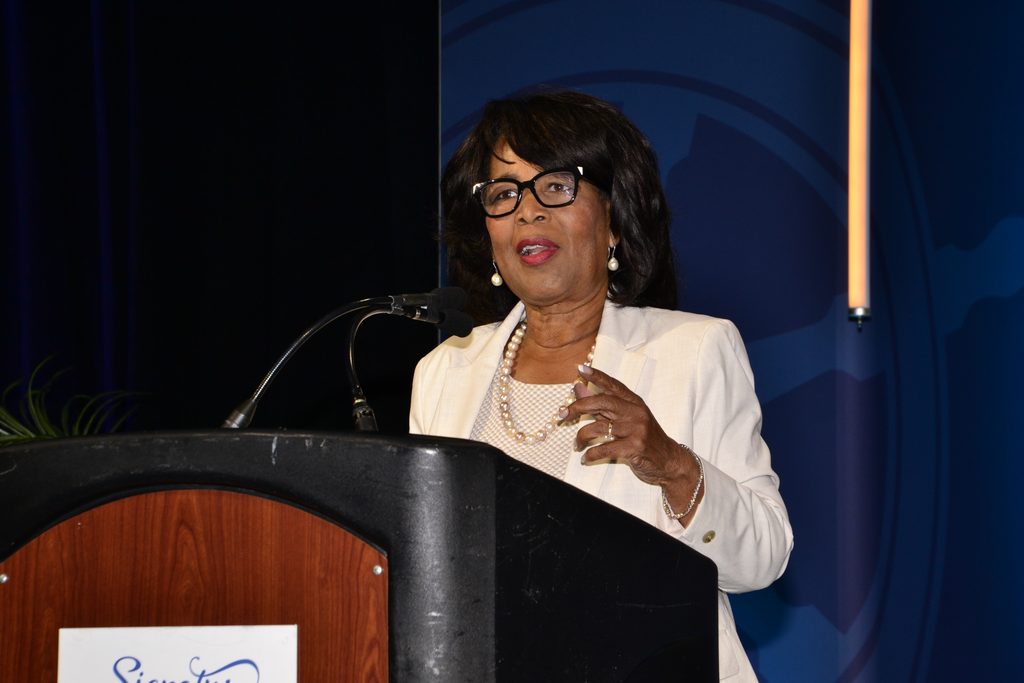
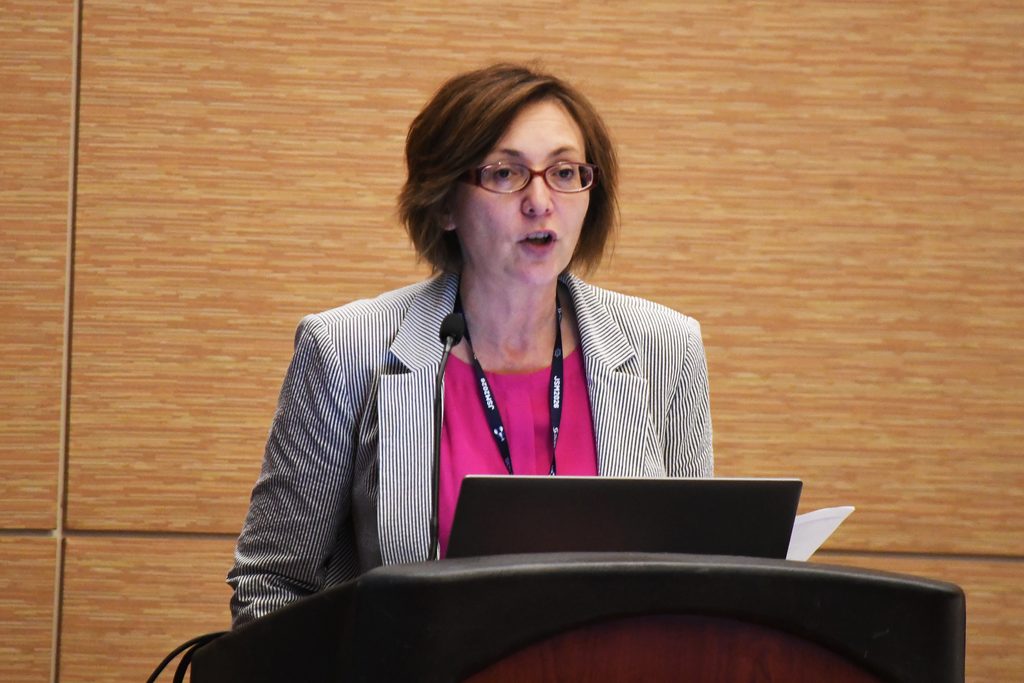
- ASA President’s Address & Awards: On Tuesday evening, August 4, ASA President Jeri Mulrow of Westat (retired) delivered her address, titled “Where Personal Purpose Meets Collective Action: ASA’s Vision Forward,” which served as a rallying cry for members to become active spokespersons for statistics in their local communities. The session also hosted the annual awards ceremony celebrating new ASA Fellows and other award recipients.
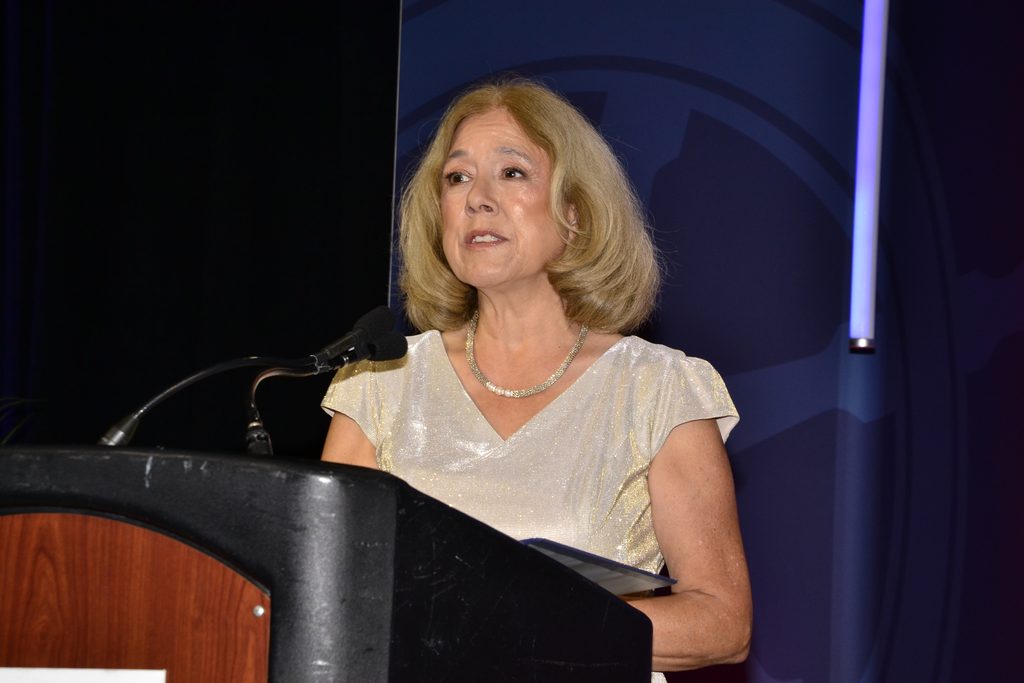
- The Grace Wahba Lecture: Delivered by Jane-Ling Wang, it showcased cutting-edge research in functional data analysis.
- COPSS Distinguished Achievement Award and Lectureship: On Wednesday, August 5, Larry Wasserman of Carnegie Mellon University presented the Committee of Presidents of Statistical Societies lecture, titled “Causal Inference Meets Optimal Transport,” charting new mathematical territory for data integration.
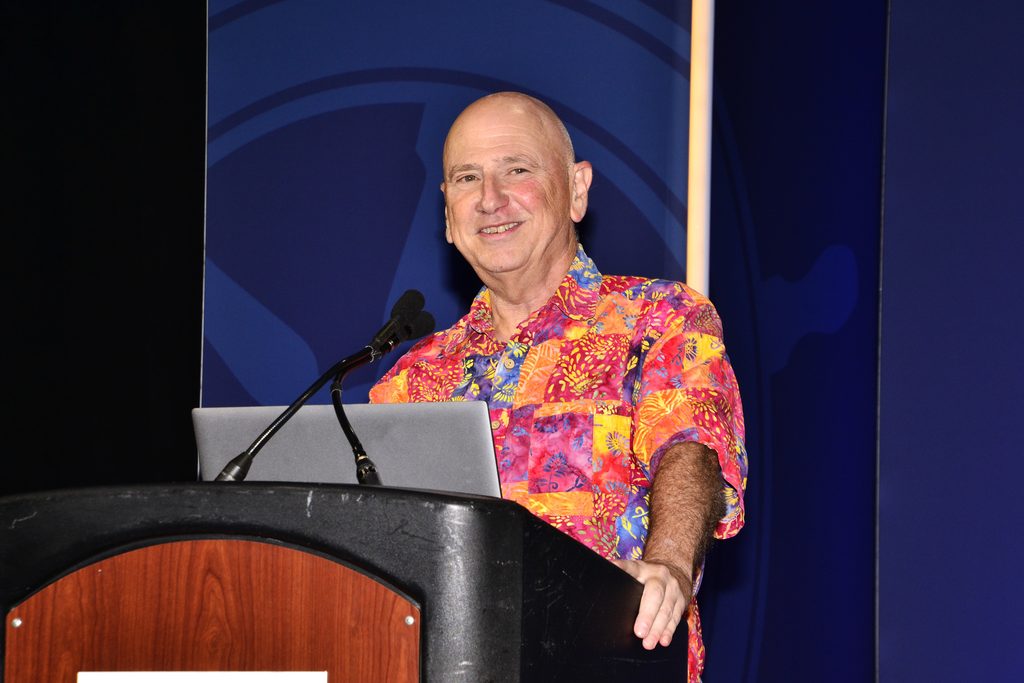
- IMS Medallion Lectures: The Institute of Mathematical Statistics featured vital updates from three medallion lecturers: Genevera Allen, David Blei, and Lester Mackey.
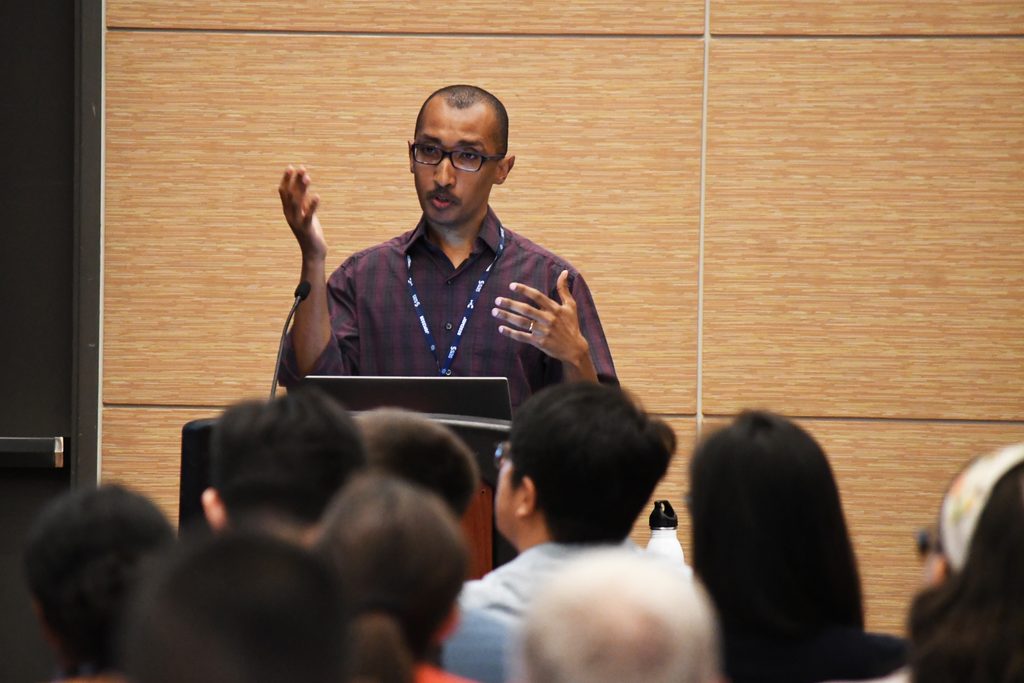
The JSM 2026 Program Committee selected 181 invited session proposals, constructing a schedule packed with oral presentations, panel discussions, and poster sessions. Technical presentations delved into pressing methodology and practical applications, showcasing advancements in generative artificial intelligence, small area estimation, data integration, and clinical trial design.
Sections such as the Survey Research Methods Section pushed forward conversations about modern survey administration, alternative data sources, and quantum computing applications. Beyond technical theory, specialized workshops such as the computer technology workshops provided practical training on computing languages and tools to help bridge classroom knowledge with operational data science fields.
The program also contained introductory overview lectures, which provide foundational training on important areas of statistics. They included a session about statistical data privacy and disclosure limitation presented by Aleksandra Slavkovic and Kaitlyn Webb, a session on spatial-temporal modeling approaches led by Scott Holan, and an interactive session about ethical practice in statistics and data science that applied the ASA ethical guidelines through live polling and real-world role-playing scenarios from industry, government, and academia.
Networking, Career Development, and Receptions
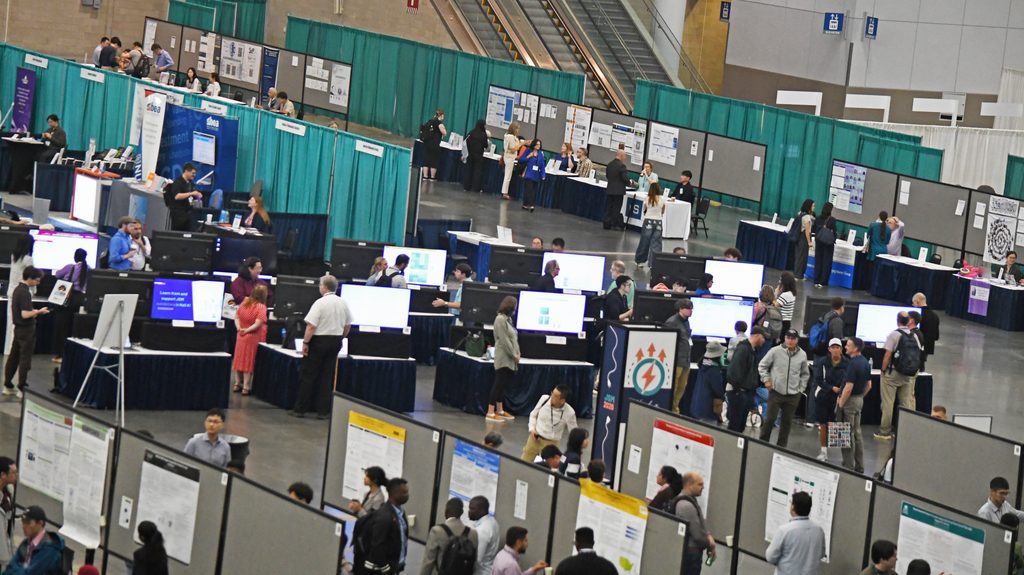
Outside the scientific presentation rooms, the JSM EXPO and Career Service connected attendees with premier publishers, software companies, federal agencies, and prospective employers.
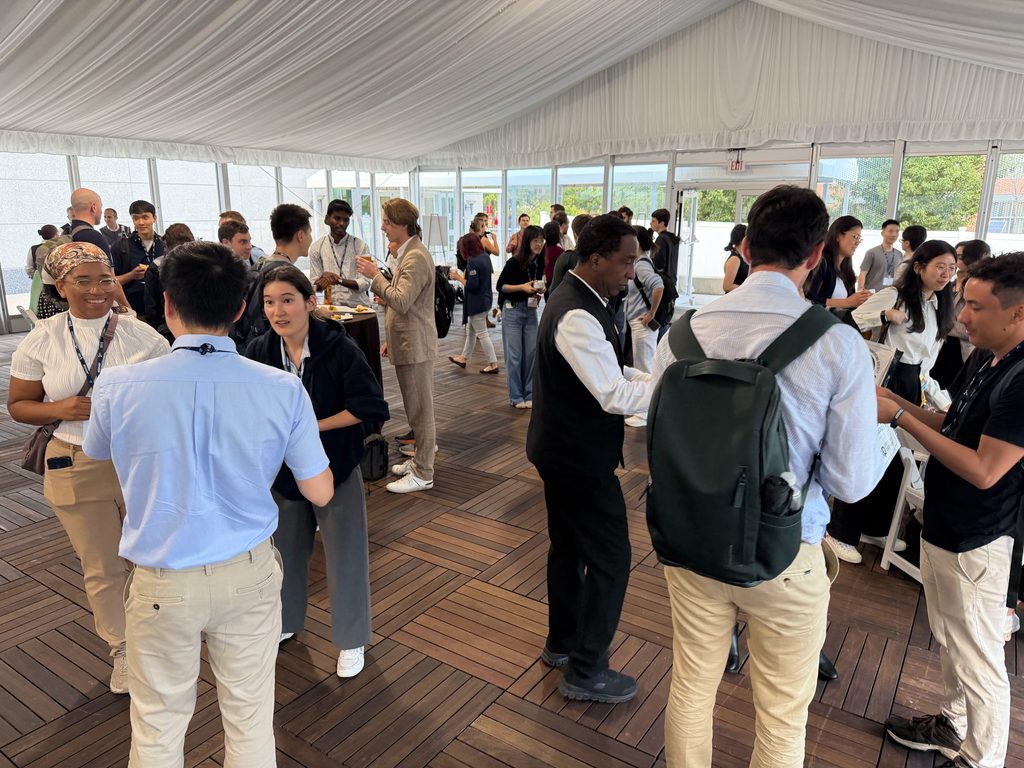
Networking remained a primary focus of the week, with 34 formal receptions scheduled throughout the conference. A notable event was the open International Statistical Institute reception, which allowed members and prospective partners to build cross-border research collaborations.
When attendees were not busy with the packed program, they took advantage of Boston attractions by touring historical landmarks along the Freedom Trail, visiting museums, walking along the harbor, or attending games at Fenway Park.
As the meeting concluded on August 6, attendees departed Boston with renewed energy, new collaborative partnerships, and a clear vision of how statistical communities can continue to take action to improve society.
More JSM Highlights
Leave a Reply