
Ron Yu, Ruixiao Lu, and Jing Huang
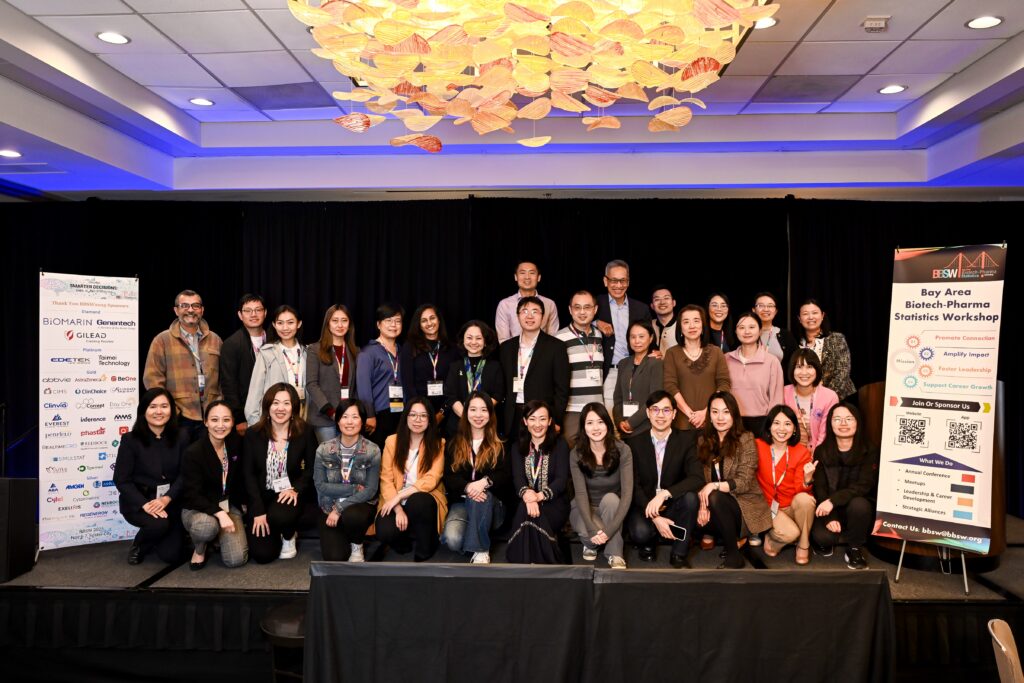
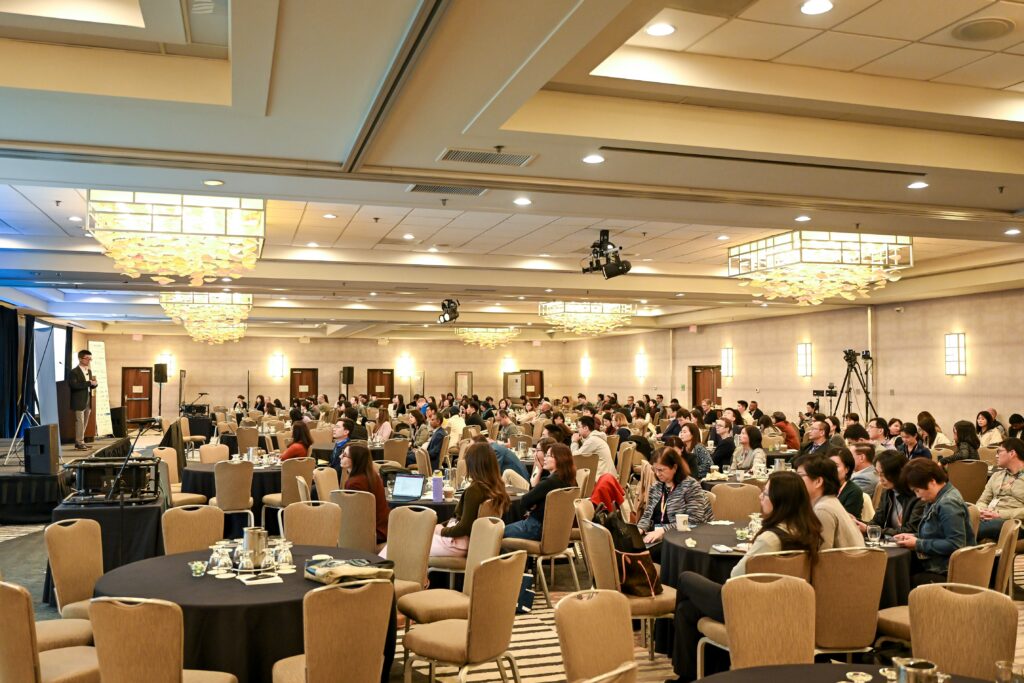
The 2025 Bay Area Biotech-Pharma Statistics Workshop brought together more than 360 attendees from approximately 110 organizations at Crowne Plaza Hotel in Foster City, California, November 6–7, 2025. The conference theme—“Driving Smarter Decisions: Data, AI, and Statistics”—highlighted the intersection and transformative impact of quantitative science, statistical innovation, and artificial intelligence across the pharmaceutical, biotechnology, medical devices, and diagnostics industries.
The keynote speaker on the first day was Venkat Sethuraman, senior vice president and global head of data sciences and analytics at Roche/Genentech. In his talk, “Electrifying R&D: The Data, Design, and Digital Revolution in Biopharma,” he drew a parallel between electricity and AI, predicting that intelligence will soon become abundant and low cost. Sethuraman described a future shaped by two groups: those who set up the infrastructure that enables AI at scale and those who apply it to build innovative solutions. He emphasized the most successful research and development teams will be those with the strength and capability to rapidly advance the most promising drug targets from concept to patients.
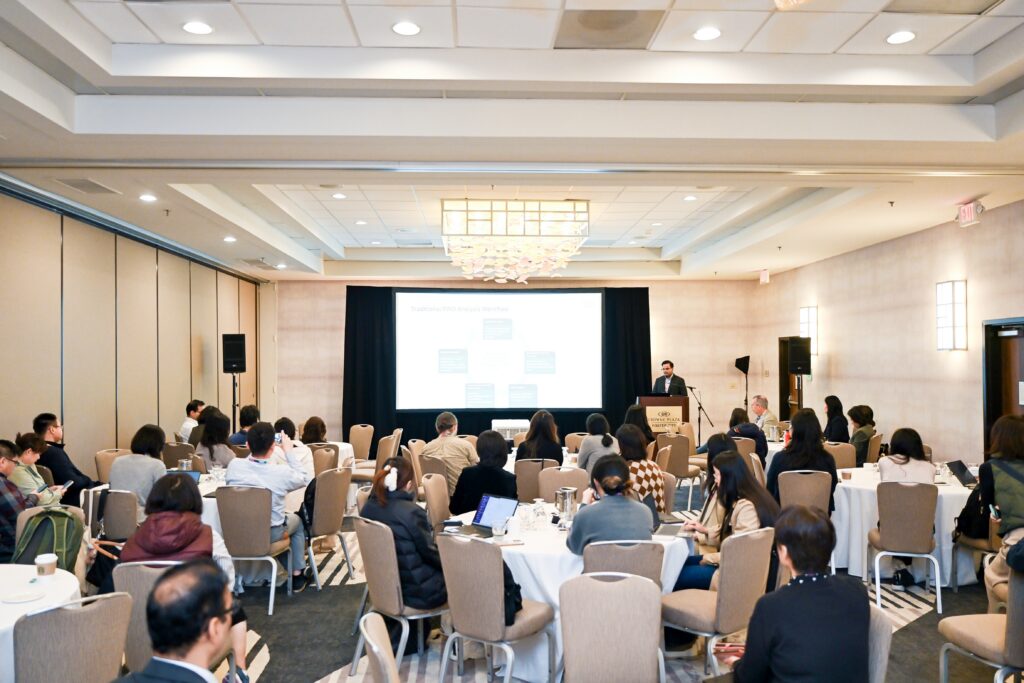
The second day featured a keynote by Sylvia Plevritis, William M. Hume Professor in the school of medicine and chair of the department of biomedical data science at Stanford University. Her talk, “Multi-Modal AI for Cancer Biology and Clinical Decision Support,” highlighted the potential of combining diverse data sources—such as imaging, pathology, genomics, and clinical records—to transform cancer research and care. She described AI-assisted tumor boards that synthesize information before meetings, identify similar patient cases during discussions, and summarize decisions afterward, shifting decision-making from anecdotal experience to data-driven insight. She also discussed foundation models that capture the evolution of cancer over time, enabling prediction of future clinical events and deeper understanding of tumor biology.
Reflecting the conference’s Silicon Valley location, the first day also included a fireside chat with May Wang, chief technology officer of internet of things security at Palo Alto Networks. Wang spoke about the rapid adoption of AI in health care despite regulatory complexity, highlighting its role in improving efficiency, reducing costs, and enhancing user experience. She noted that as AI elevates technical execution, strategic thinking becomes increasingly important. She expressed optimism that thoughtful use of AI can meaningfully advance progress and improve decision-making.
The technical program included six sessions across two parallel tracks. The three statistics sessions explored the use of AI in clinical development, the importance of structured decision frameworks, and advances in trial design and analysis. Speakers emphasized that high-quality decision-making requires rigorous statistical methods, strong data integration, and proactive statistical leadership. The three data science sessions addressed open-source solutions, data standards and automation, and the evolution of AI toward collaborative, agent-based systems that can transform workflows and productivity.
The nontechnical session at this year’s conference focused on influence and negotiation. Through interactive exercises, participants learned how to communicate insights, manage disagreements, and negotiate effectively. The key takeaway was that strategic influence is about aligning your thinking with those of your stakeholders—your success is about what matters to your stakeholders and your ability to translate it into strategic partnership.
The program also featured three short presentations by BBSW board directors. Chito Hernandez offered practical advice for regaining momentum and pursuing personally meaningful goals. Ted Lystig provided updates on recent statistical and regulatory developments in Washington, DC, particularly around multiple testing approaches and the use of surrogate endpoints. Judy Li highlighted the importance of adaptability through the example of Choluteca Bridge and shared her insight that growth for modern statisticians is inherently multidisciplinary.
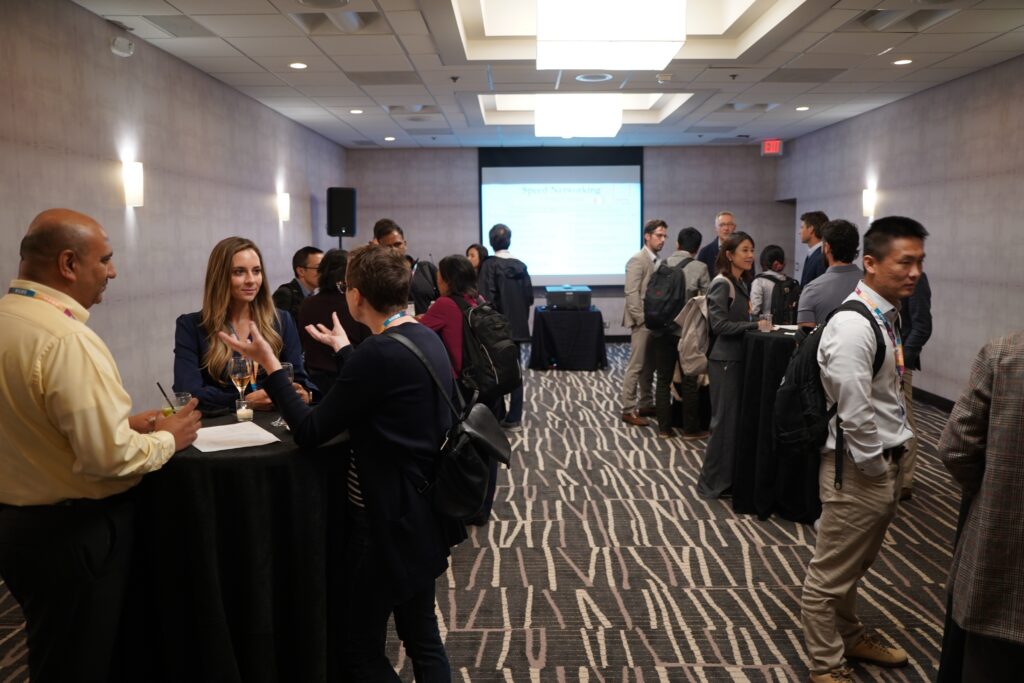
This year’s conference attracted a record number of more than 30 poster abstract submissions, including one from a high school student. A speed networking session was introduced as an addition to the program, which provided an opportunity for conference participants to meet new people and make new connections. An in-person R meetup was also held, complementing the virtual R/pharma conference.
During the conference, industry leaders shared their perspectives on how AI is shaping health care and industry and reflected on what leadership means to them through the BBSW interview series BBSW Unplugged: Inside Data Leadership, offering inspiration for current and future leaders.
Beyond the annual conference, BBSW offers programs such as the YODA mentorship program, NEXUS peer groups, and a regular meetup series. BBSW has also launched an AI committee to advance innovation and efficiency in data science through collaboration with leaders from the biopharmaceutical and high-tech sectors. To learn more, email bbsw@bbsw.org.
Leave a Reply